Start with fiscal transparency
A successful renovation begins with fiscal transparency and accurate market benchmarking.
Most renovation disputes are not really about money. They are about expectations that nobody wrote down. A budget agreed in detail at the outset is the single best protection both sides have.
What a fit-out costs in 2026
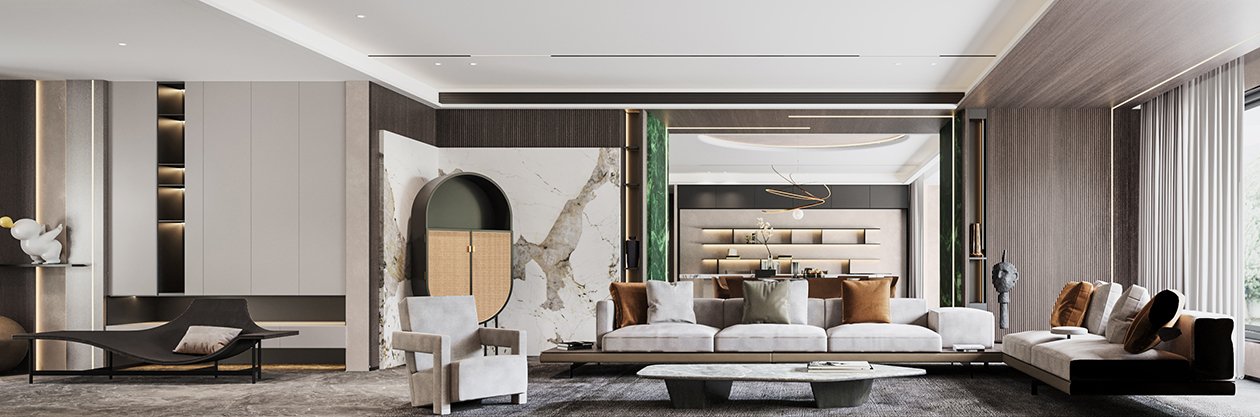
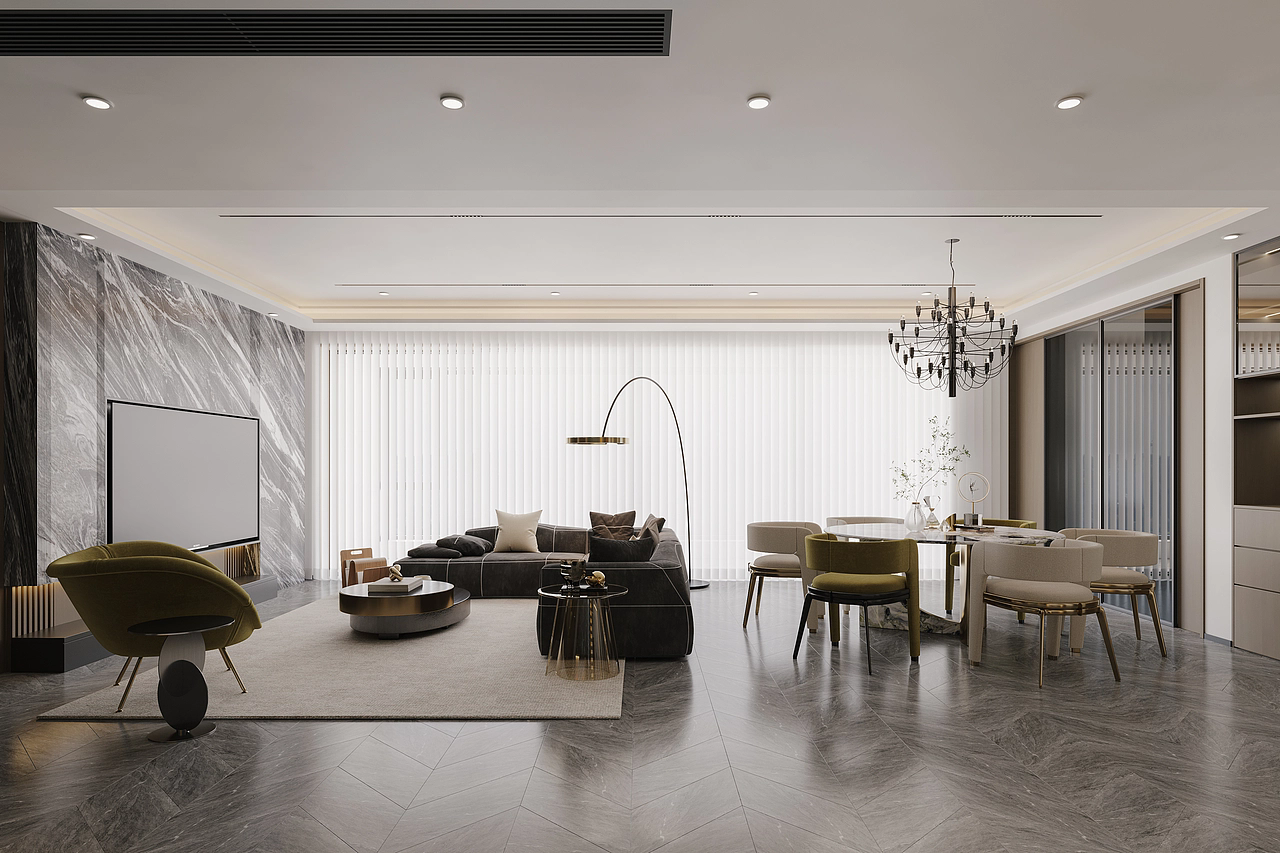
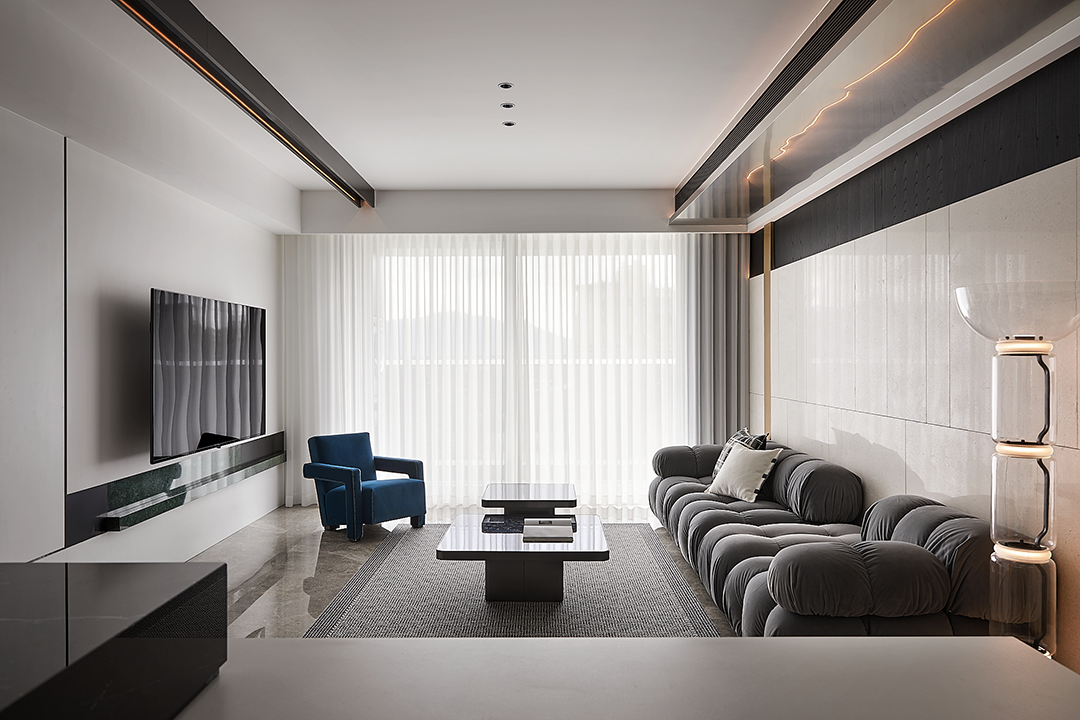
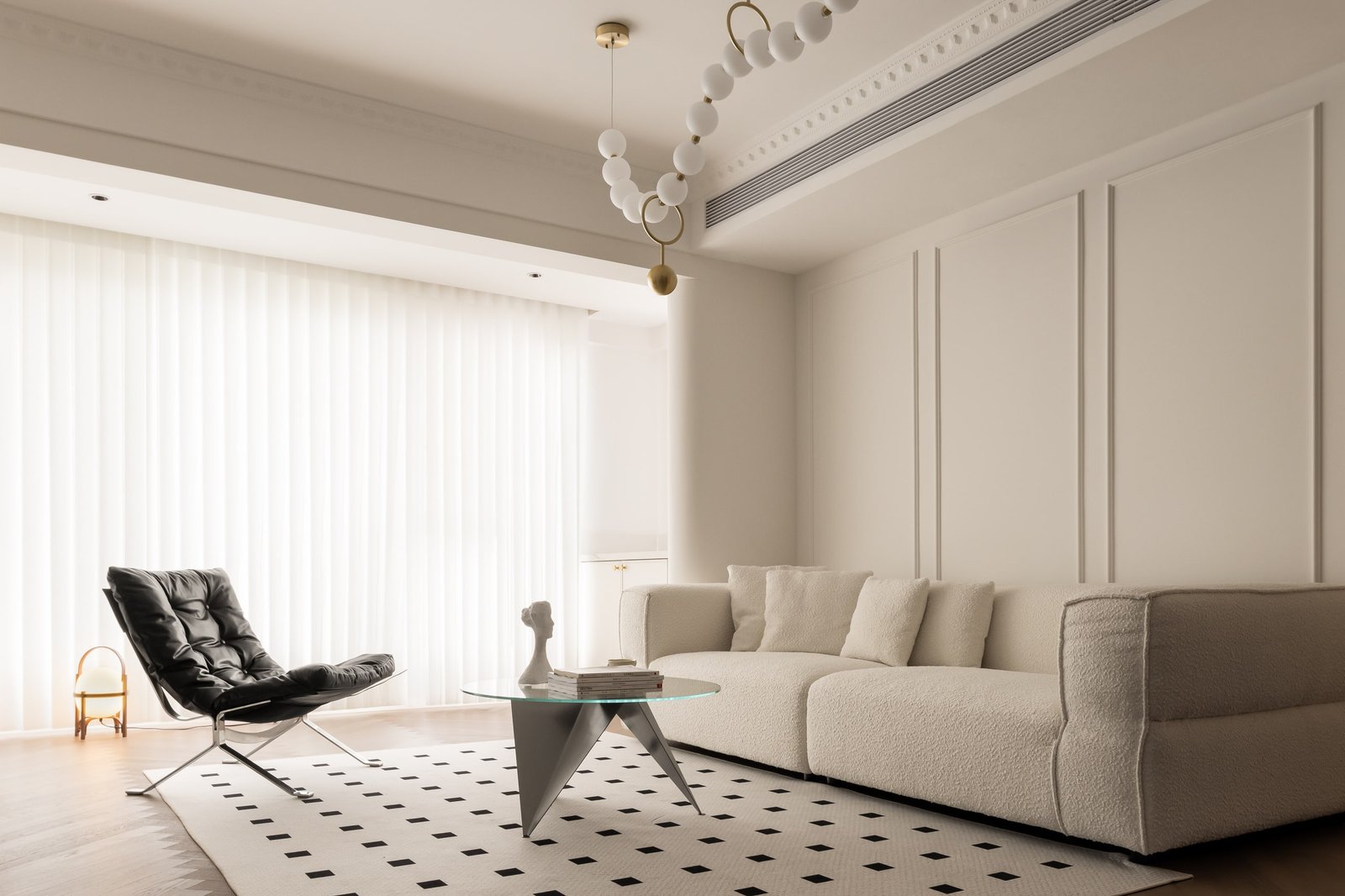
In the 2026 Malaysian landscape, a mid-range interior fit-out for high-rise residential units typically commands an investment of RM100 to RM200 per square foot, while premium bespoke transformations often range from RM300 to RM500 per square foot.
These figures encompass structural wet works, expert project management, and high-grade material procurement. The spread between them is mostly specification: the same floor area can sit at either end depending on stone, joinery and lighting.
Budget for variation, because there will be some
To mitigate the risks of “variation orders”, we advise clients to allocate a 15% contingency reserve.
Older buildings hide things — services in unexpected places, levels that are not true, waterproofing that has failed quietly. A contingency is not pessimism; it is what stops a mid-project discovery from becoming a mid-project argument.
Where capital earns its return
Professional consultation directs capital into high-yield areas — such as high-performance kitchen systems and master suite ergonomics — optimising both lifestyle quality and property valuation.
Spend where the space works hardest and where replacement later hurts most. Wet areas, kitchen systems and concealed services are expensive to revisit. Loose furnishing is not.
What professional fees actually buy
Remember that professional fees, which typically range from 5% to 15% of the total renovation cost, often pay for themselves by preventing costly structural errors and material wastage.
The fee buys a resolved design before you order anything, and someone accountable when the drawing and the site disagree. Where design and build sit with one studio, that gap closes further still.
Frequently asked questions
How much should I budget for a condominium renovation in Kuala Lumpur?
As a planning benchmark, a mid-range high-rise fit-out runs RM100 to RM200 per square foot, and premium bespoke work RM300 to RM500 per square foot, before contingency.
How much contingency should I hold back?
We advise a 15% contingency reserve against variation orders — the costs that emerge once demolition exposes what the building is actually doing.
Are professional design fees worth it on a smaller project?
Fees typically run 5% to 15% of total renovation cost, and usually recover themselves by avoiding structural errors, material wastage and rework.
You can verify current construction and labour cost benchmarks through the Construction Industry Development Board (CIDB) Malaysia.