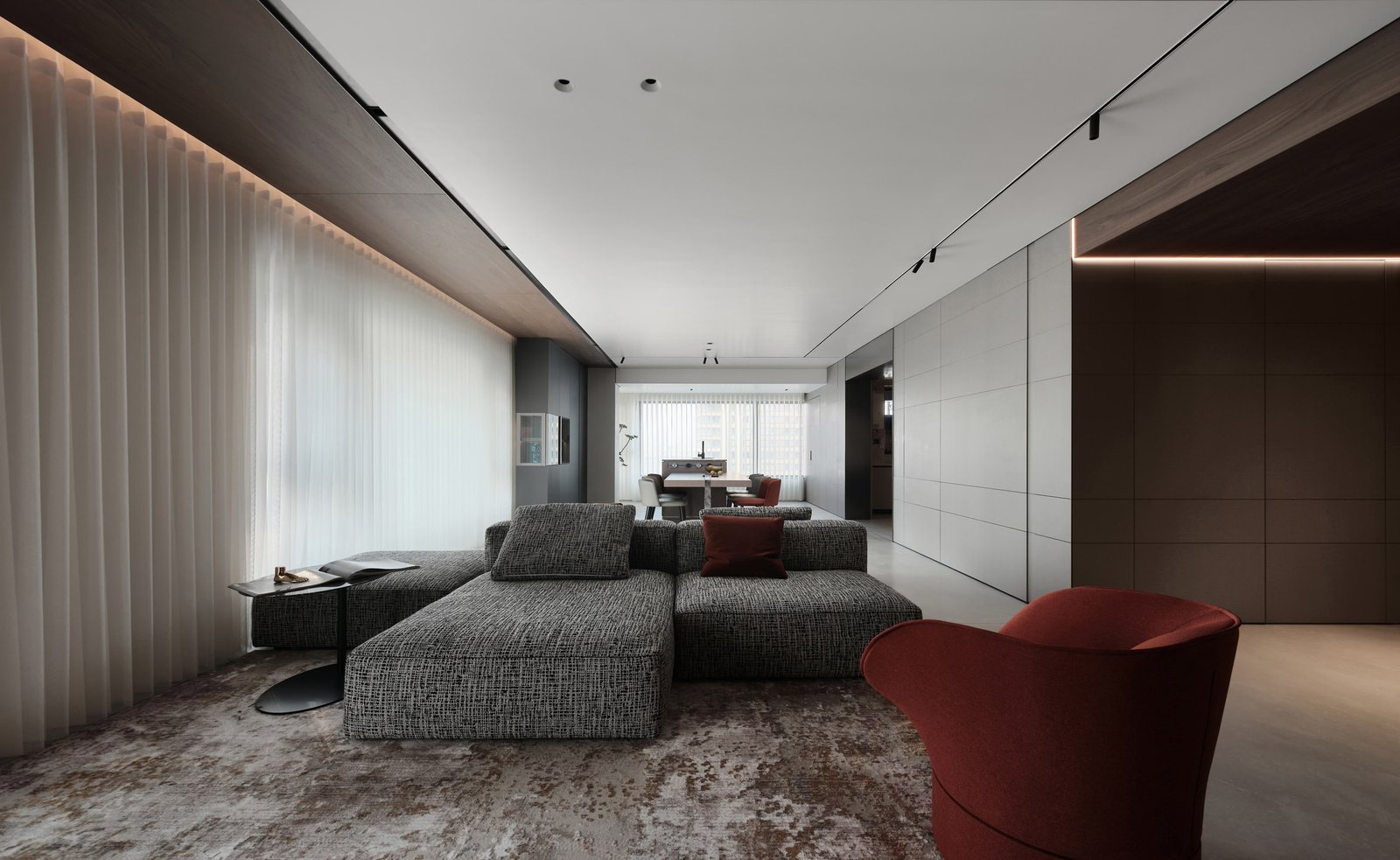
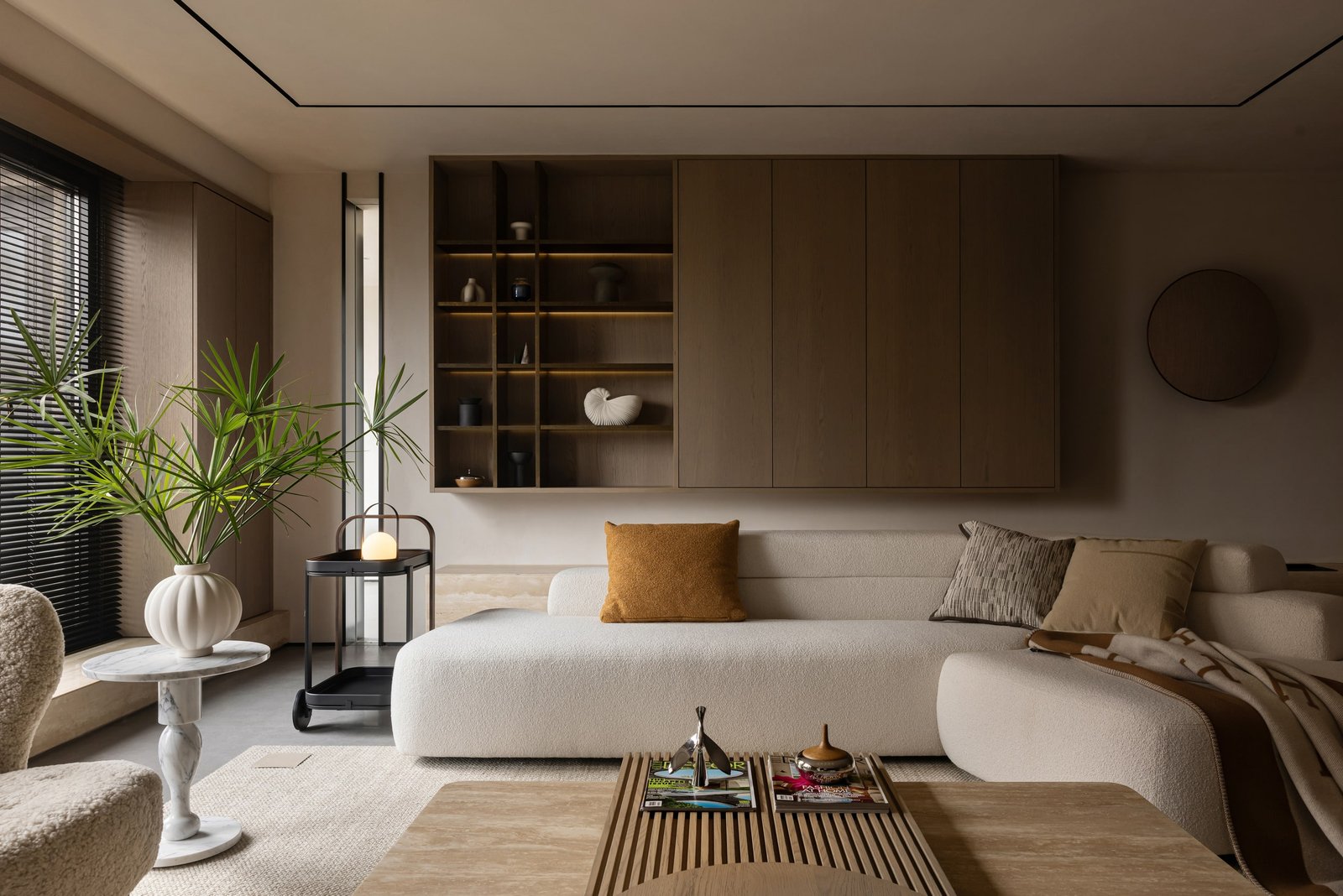
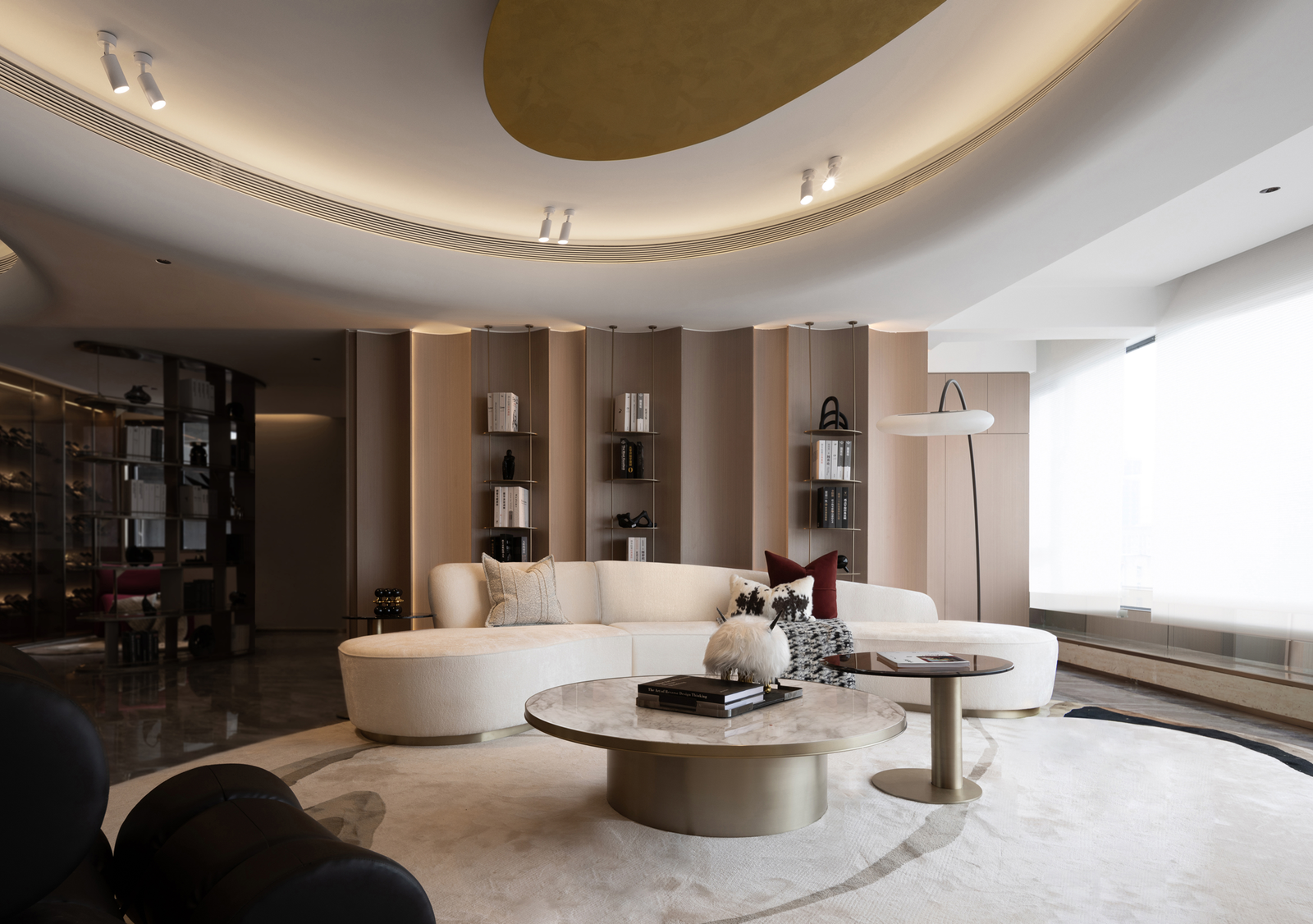
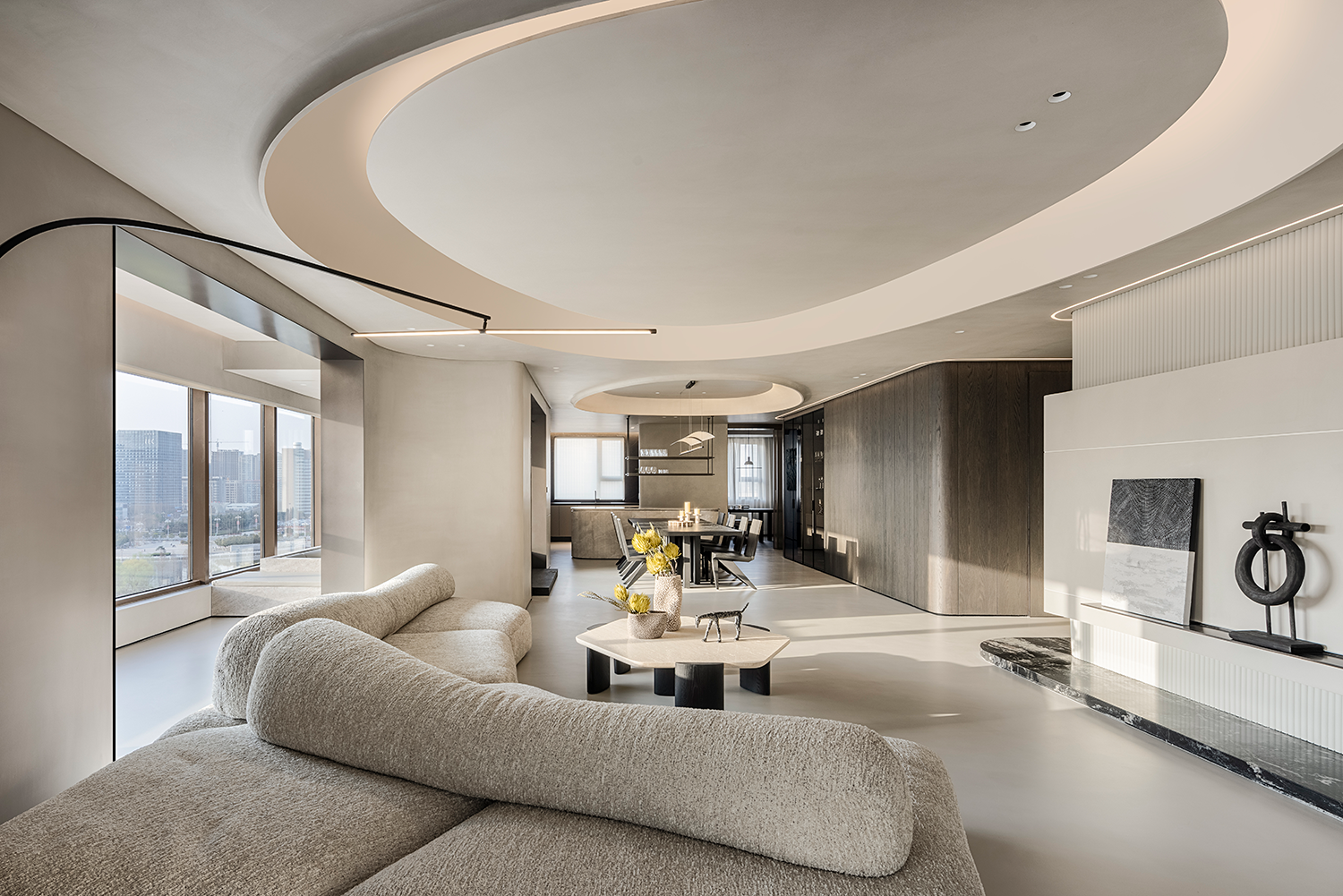
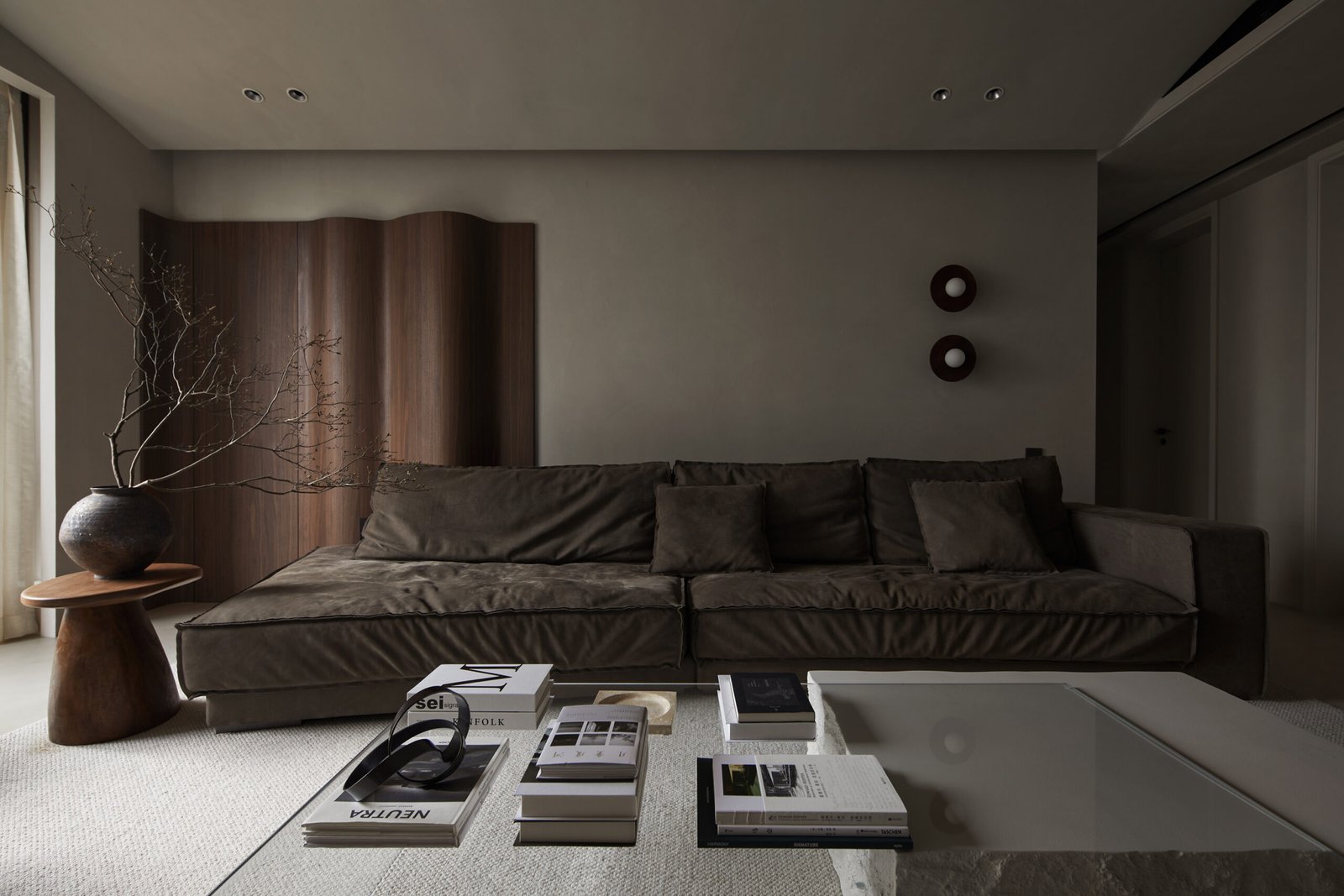
Textural minimalism replaces the sterile surface
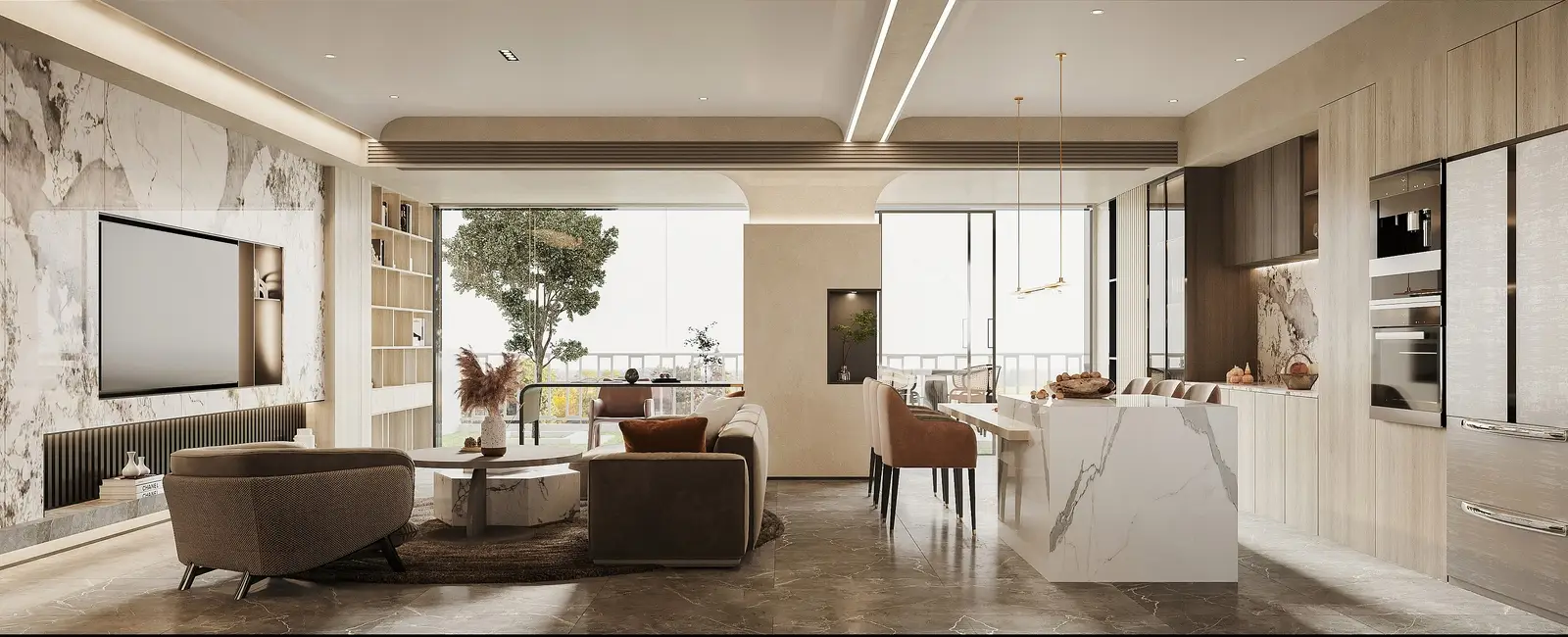
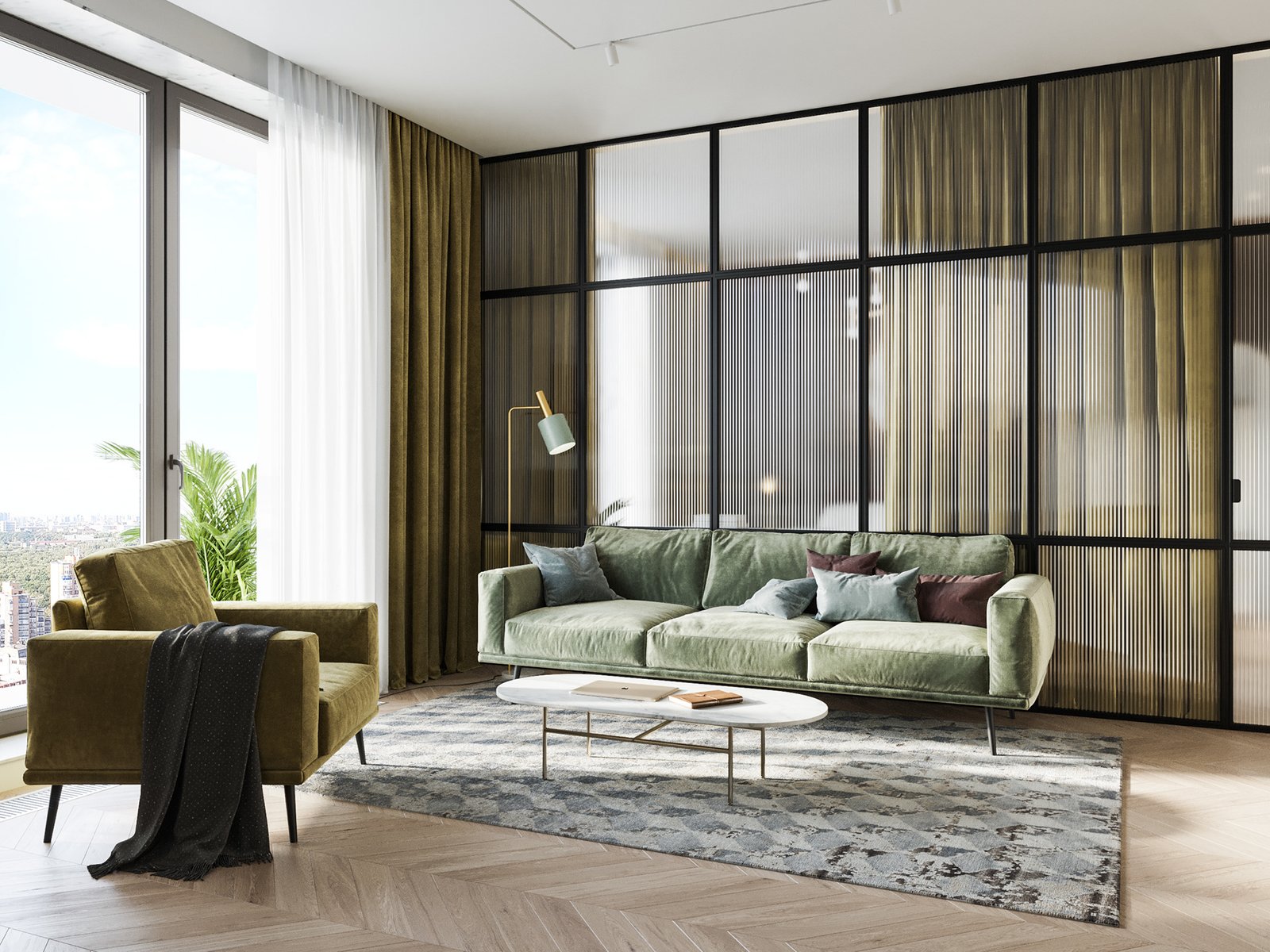
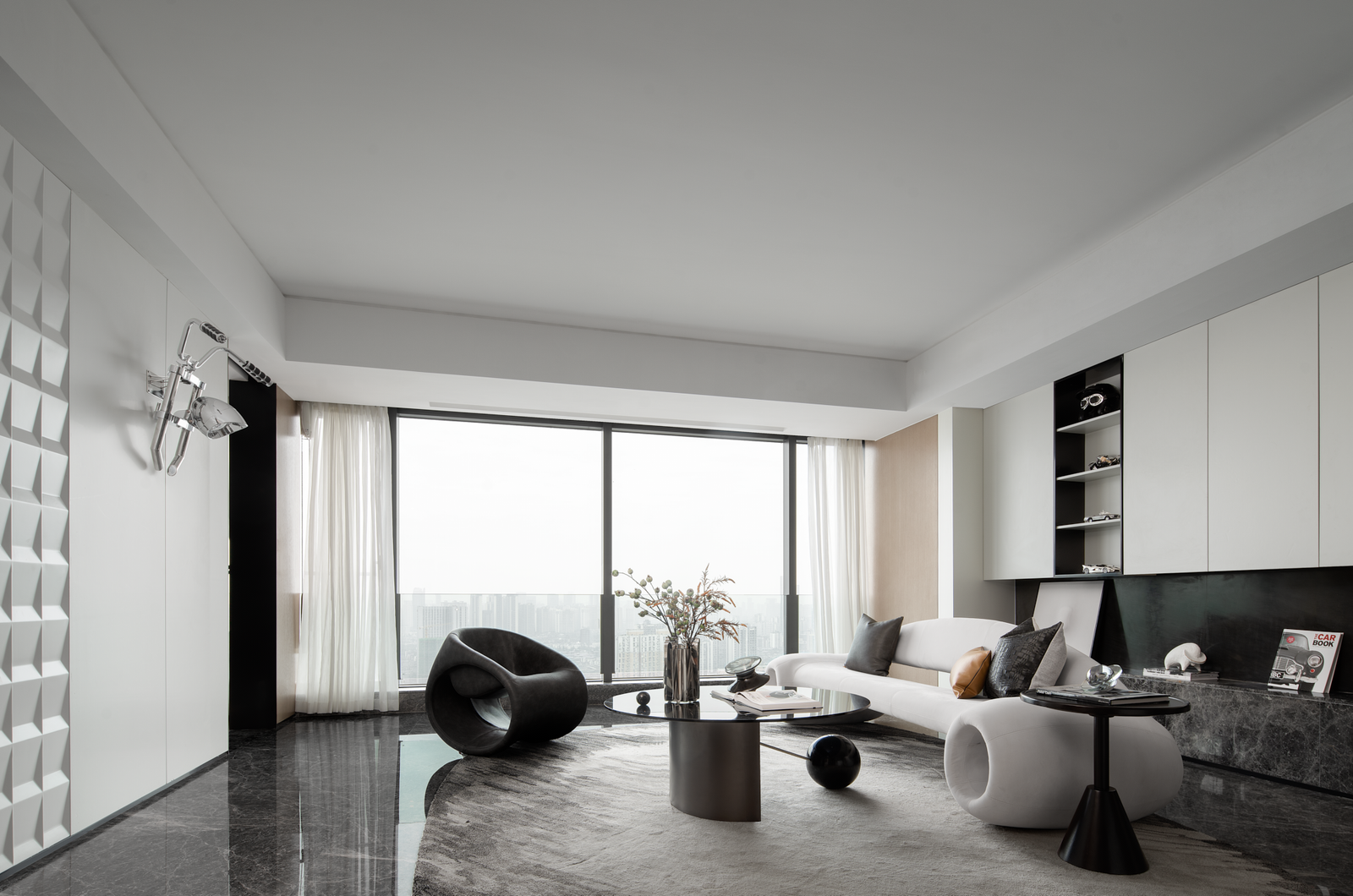
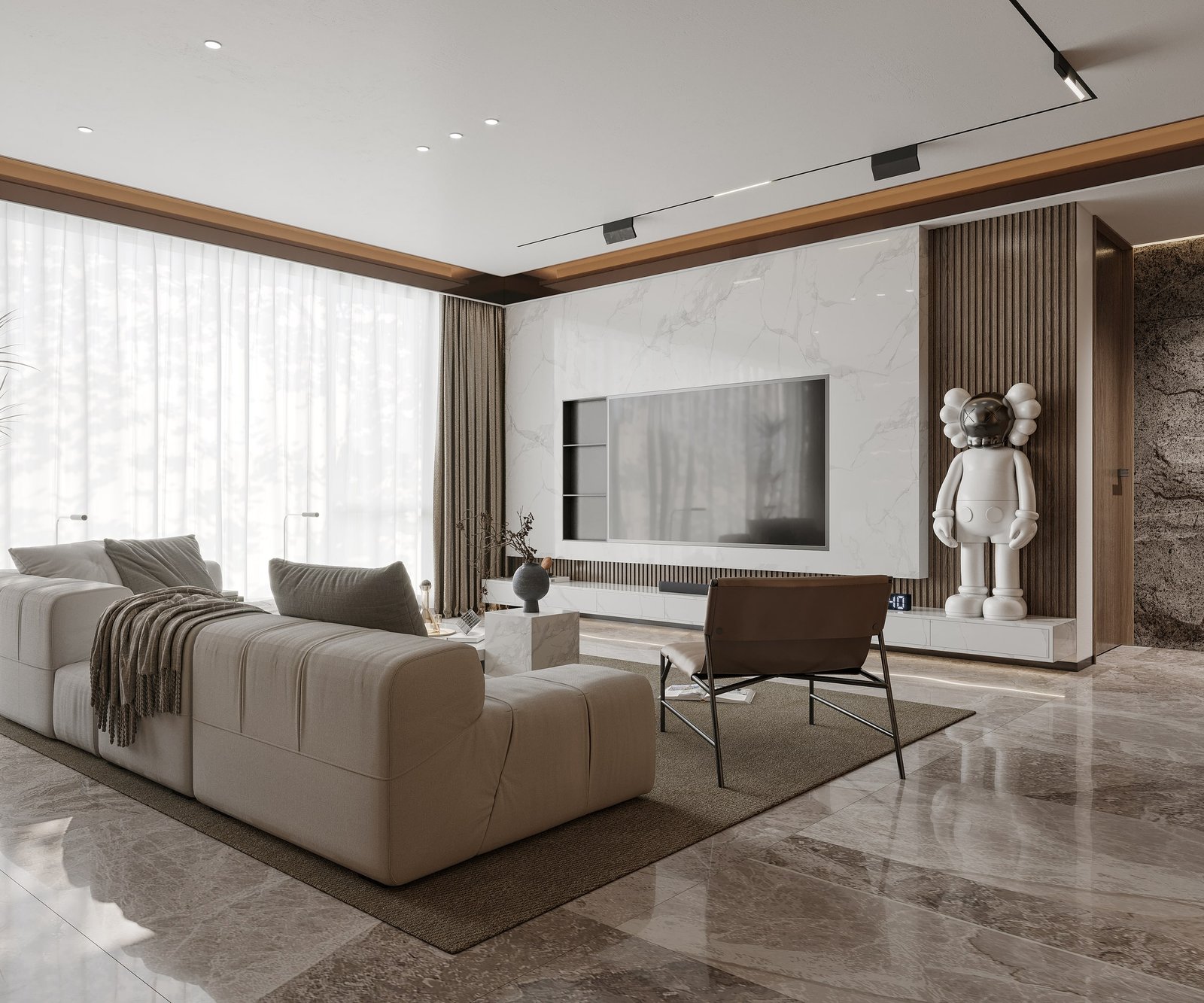
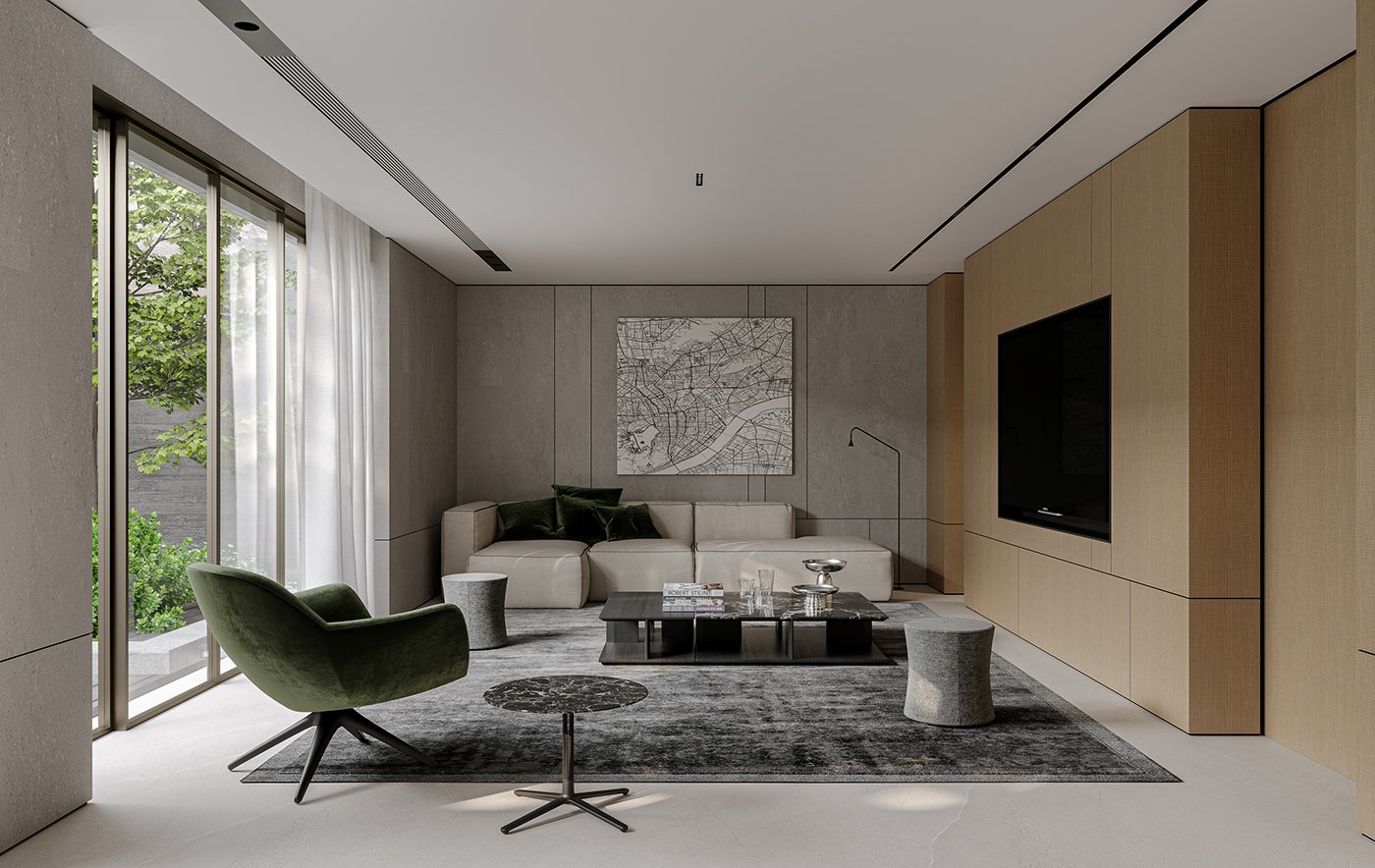
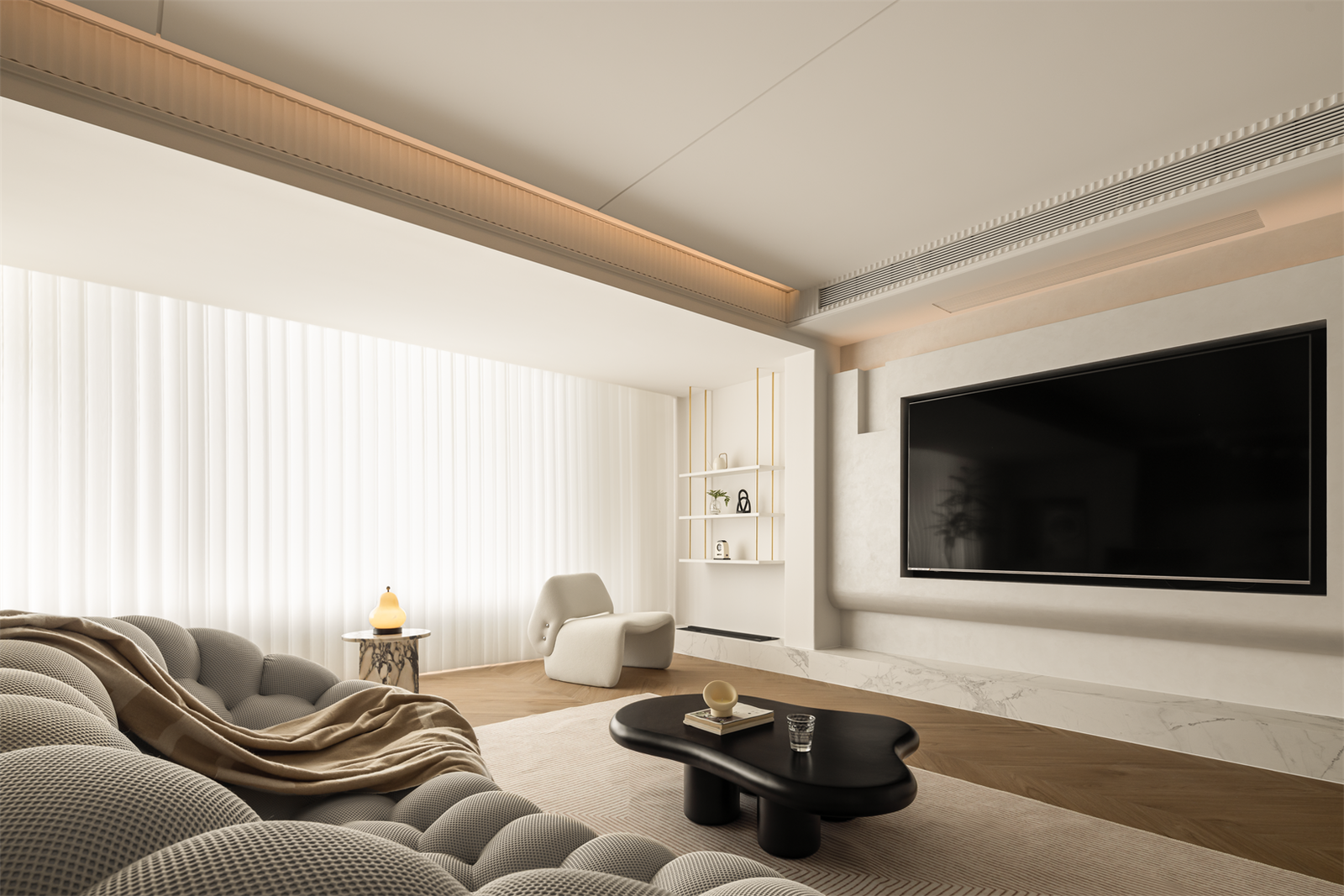
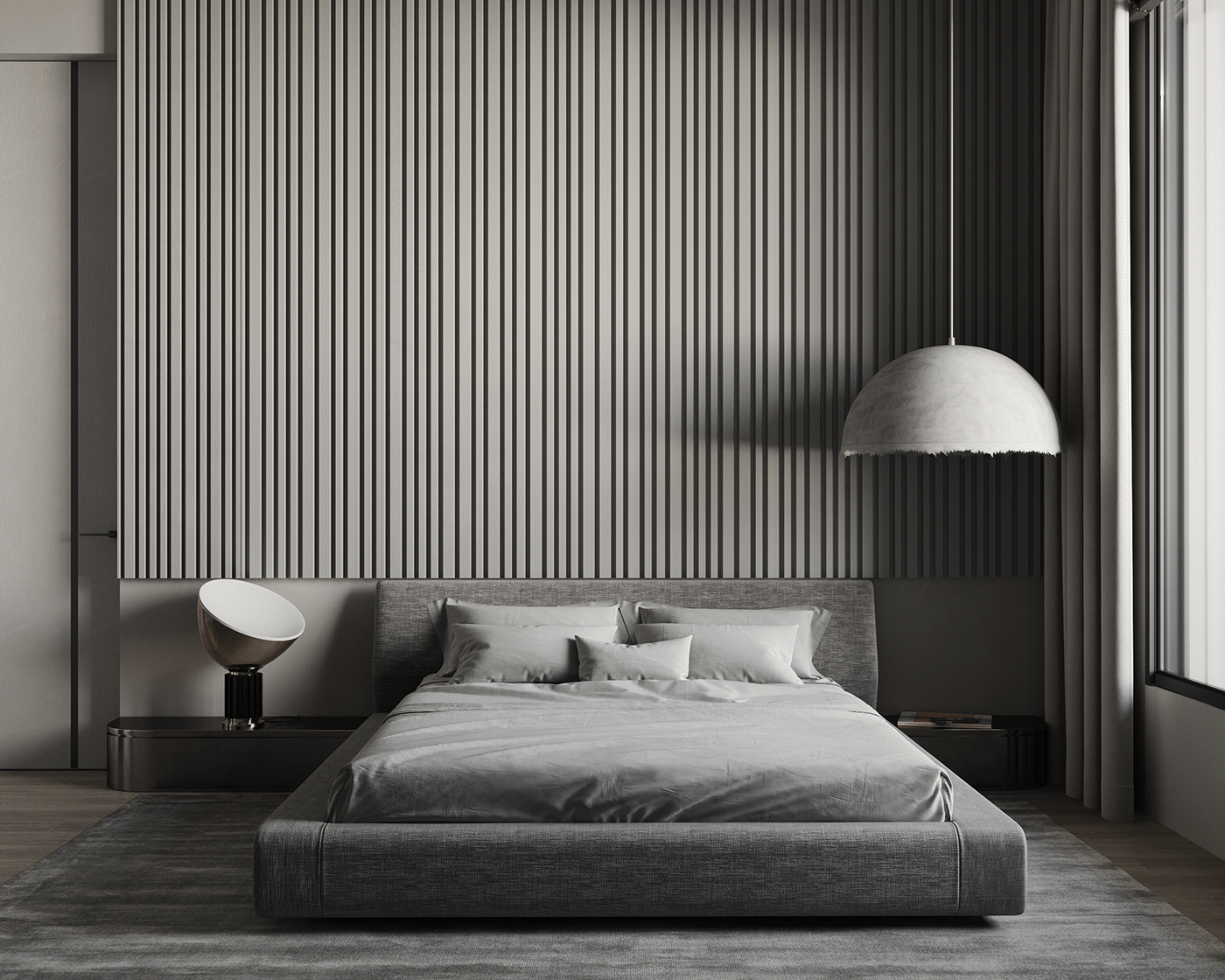
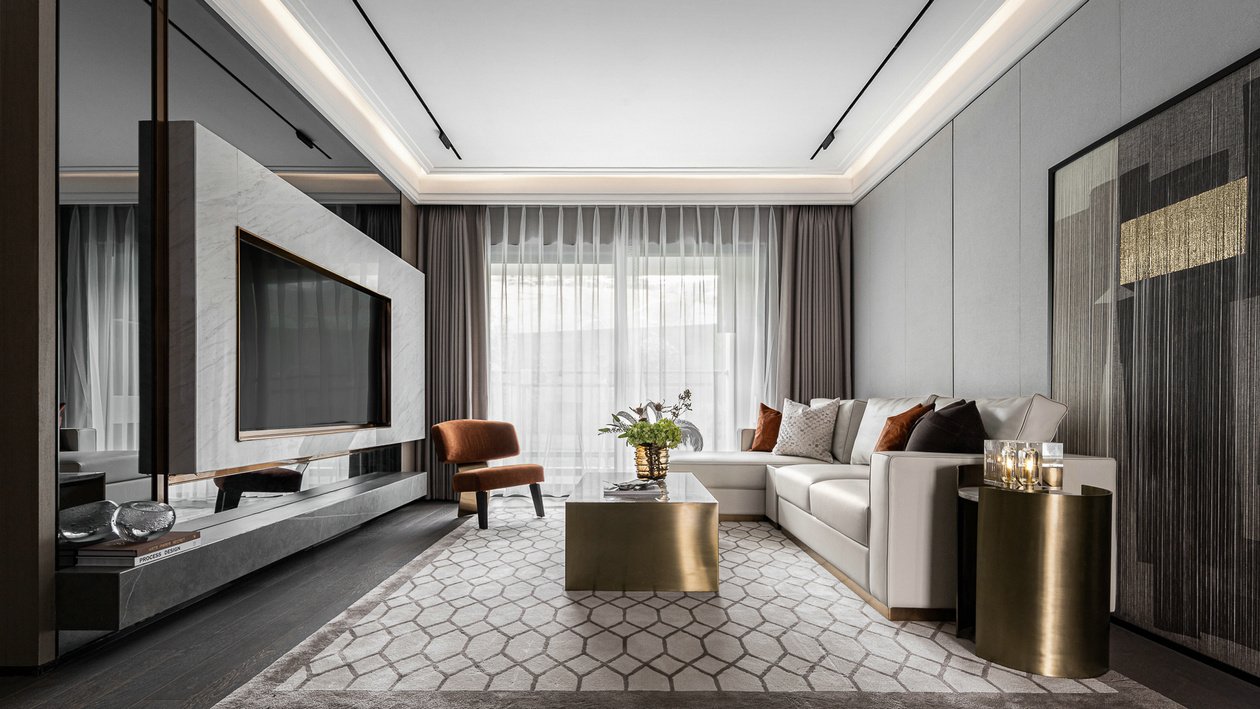
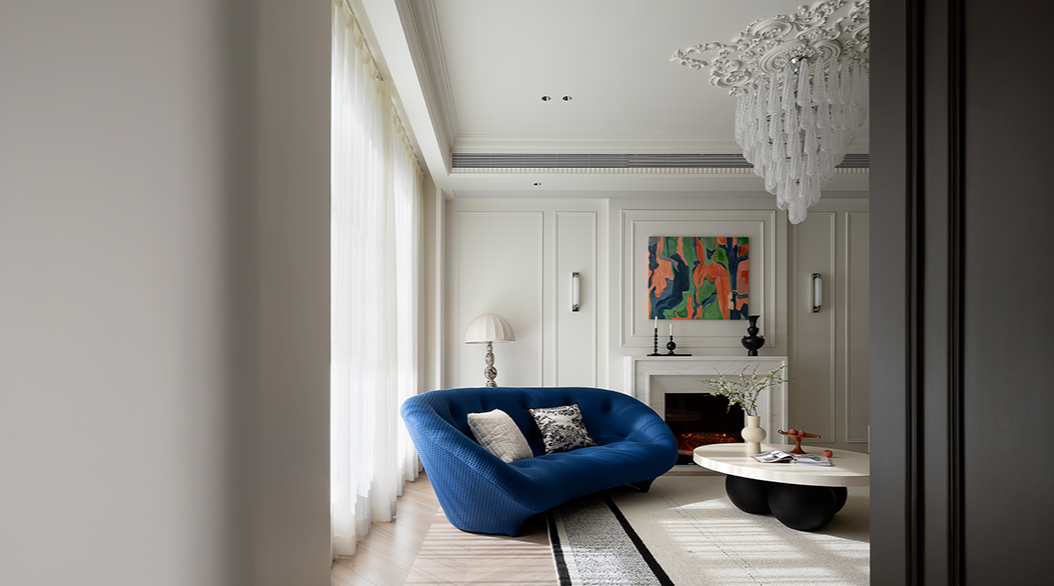
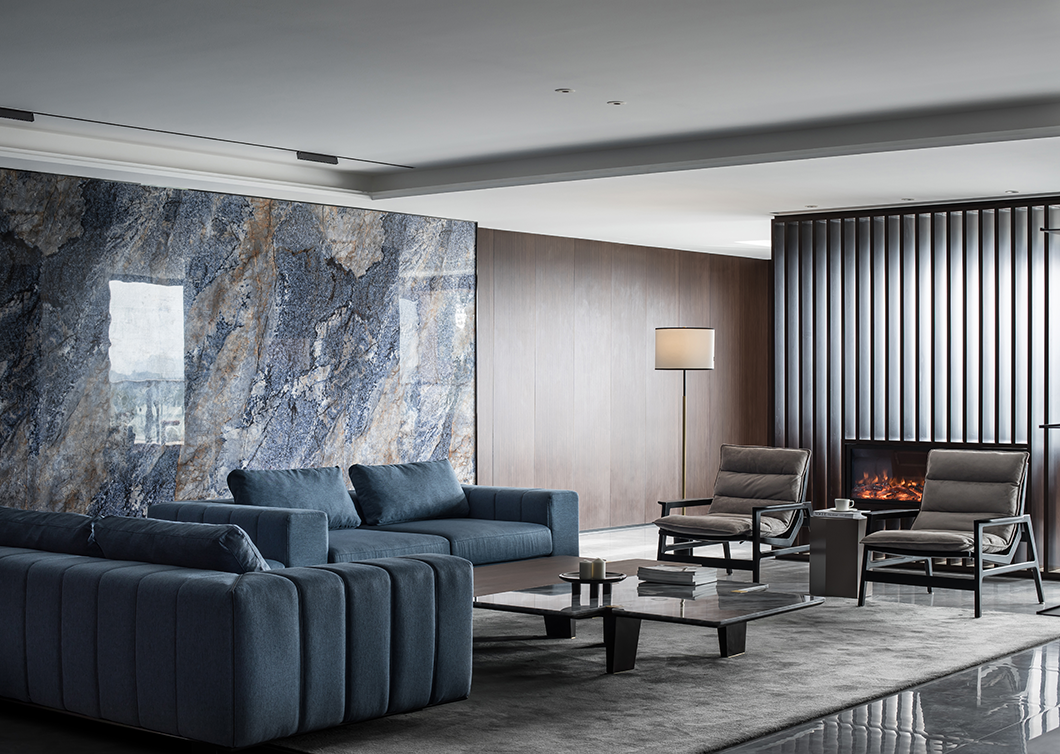
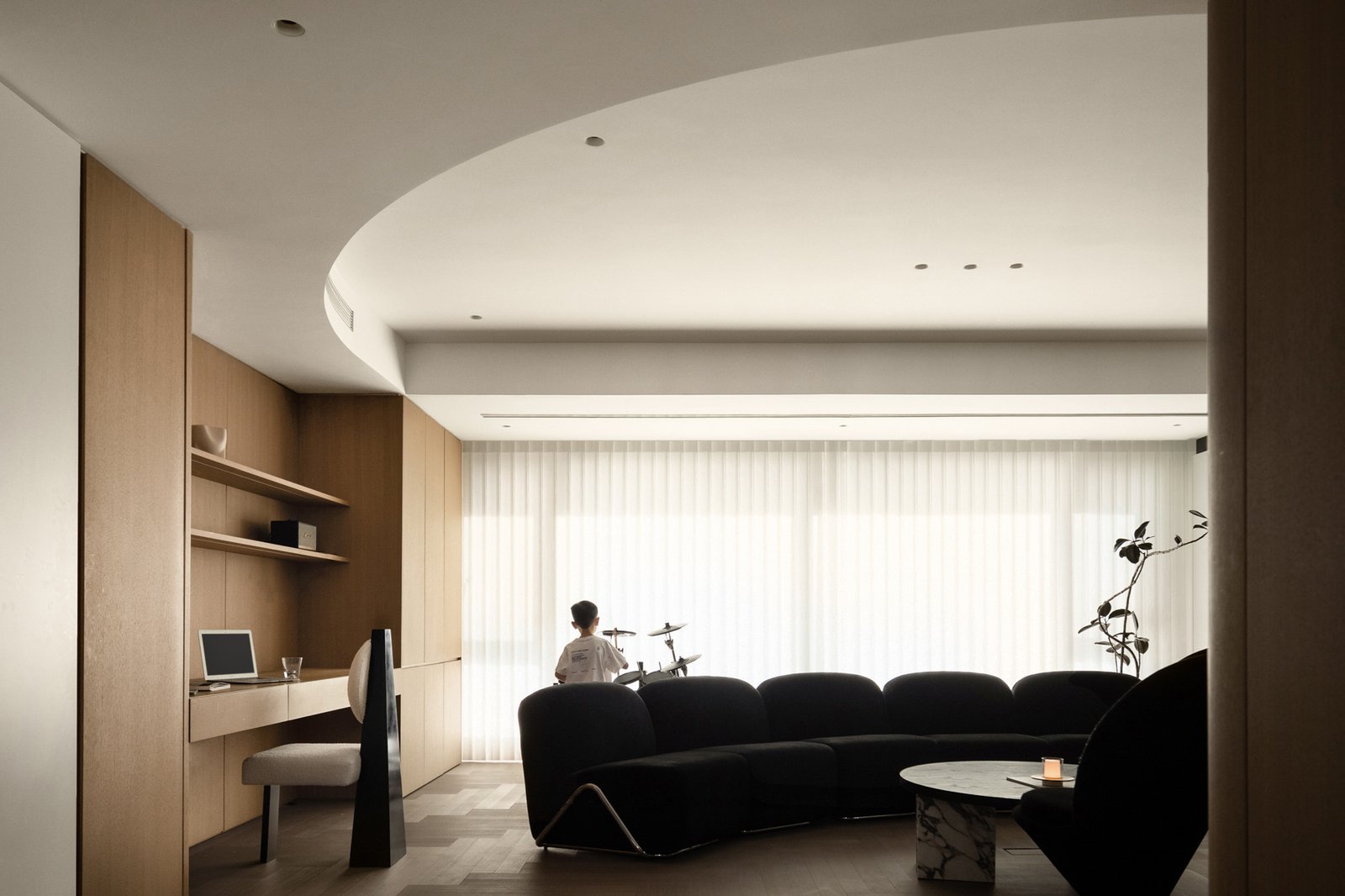
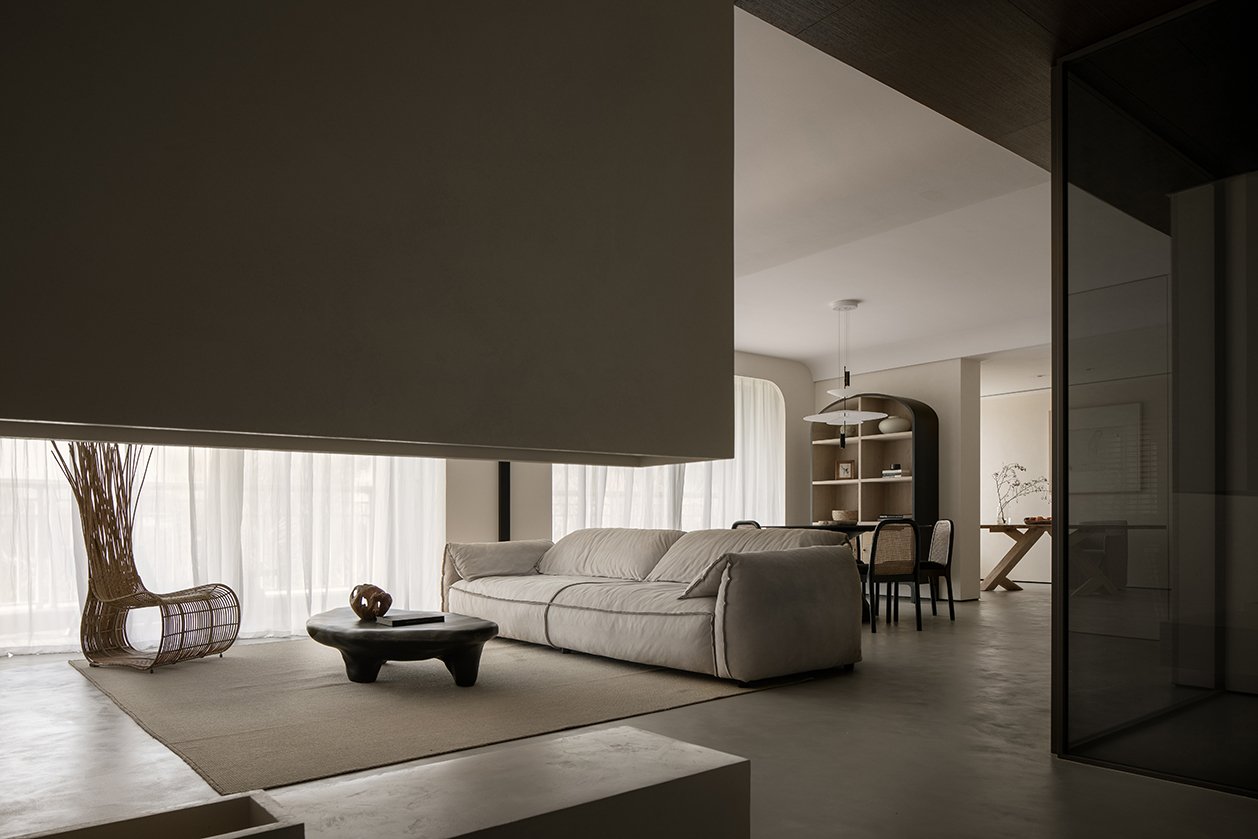
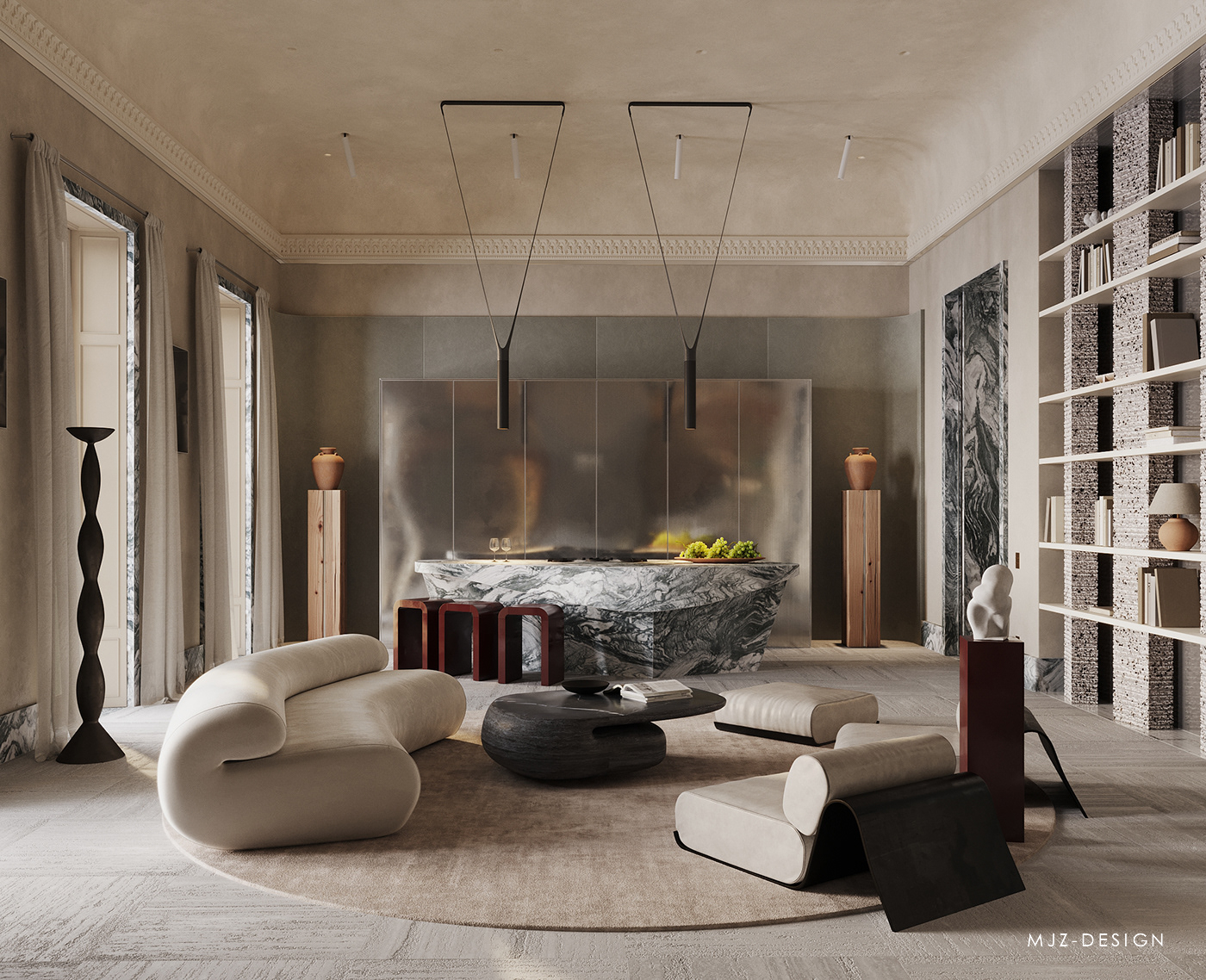
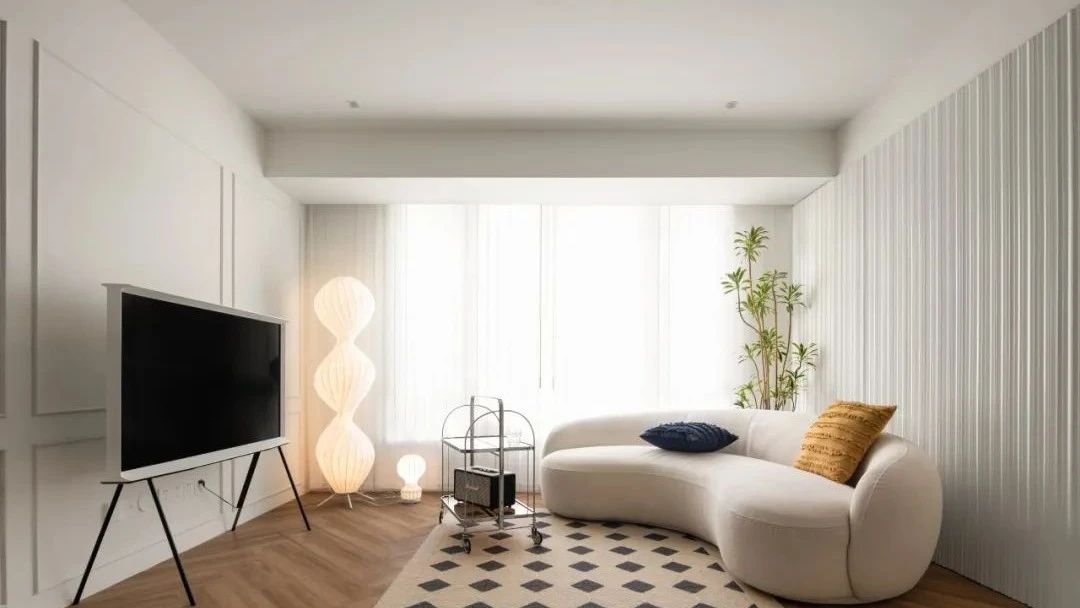
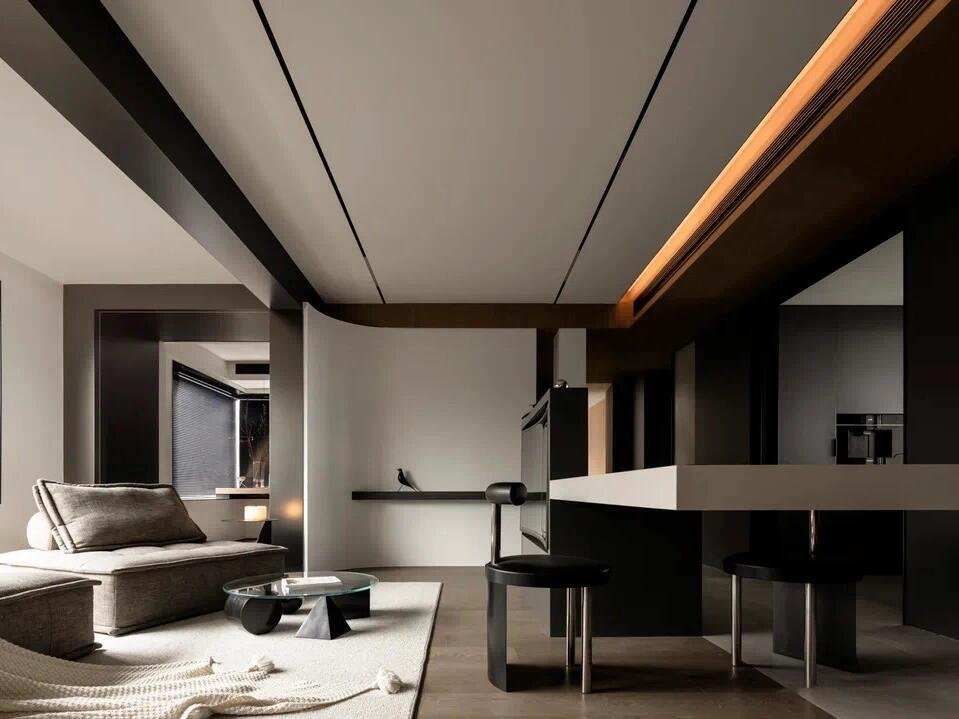
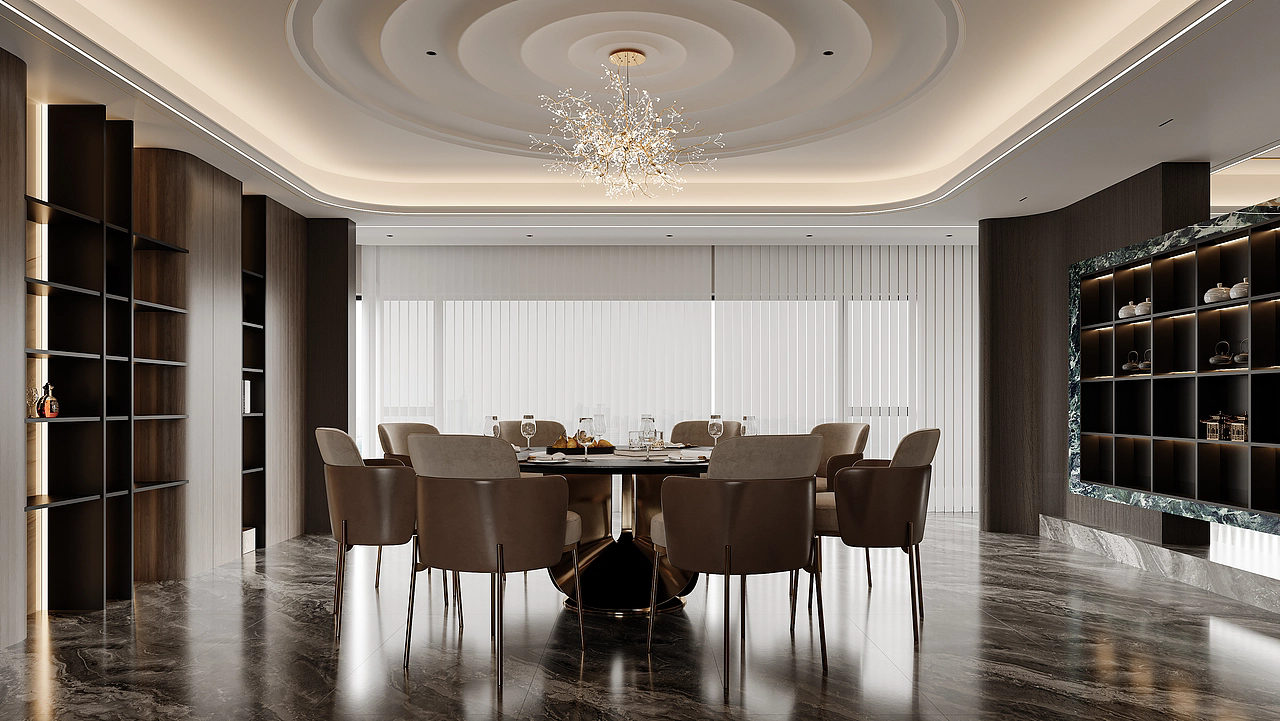
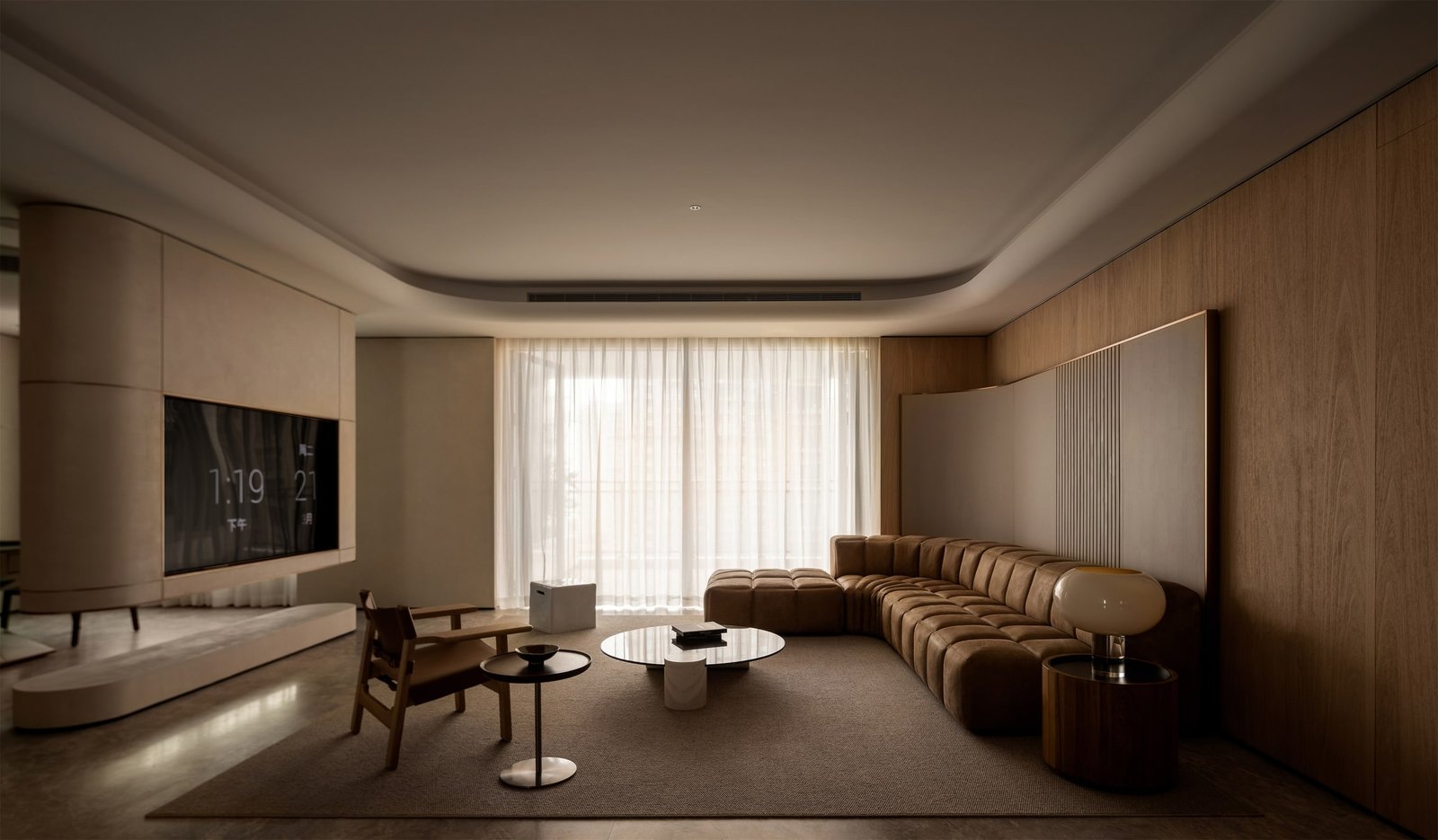
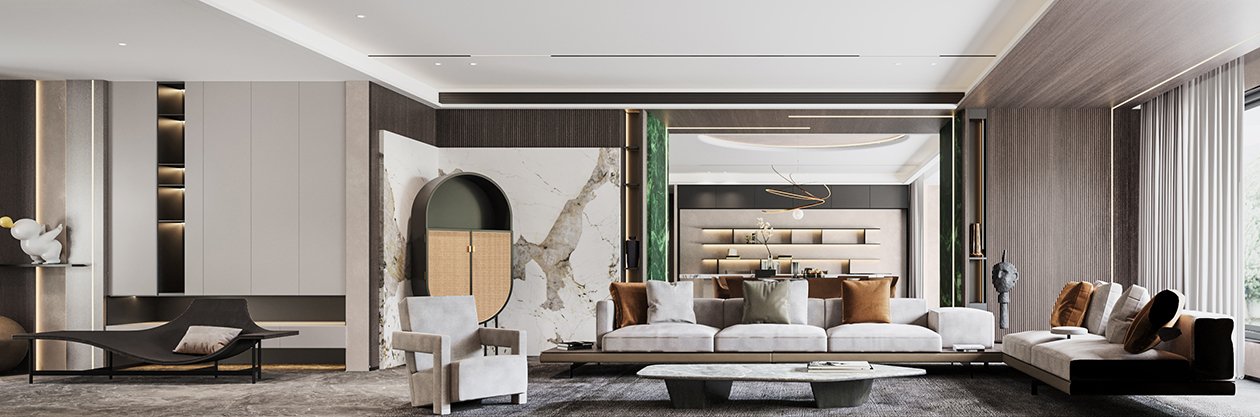
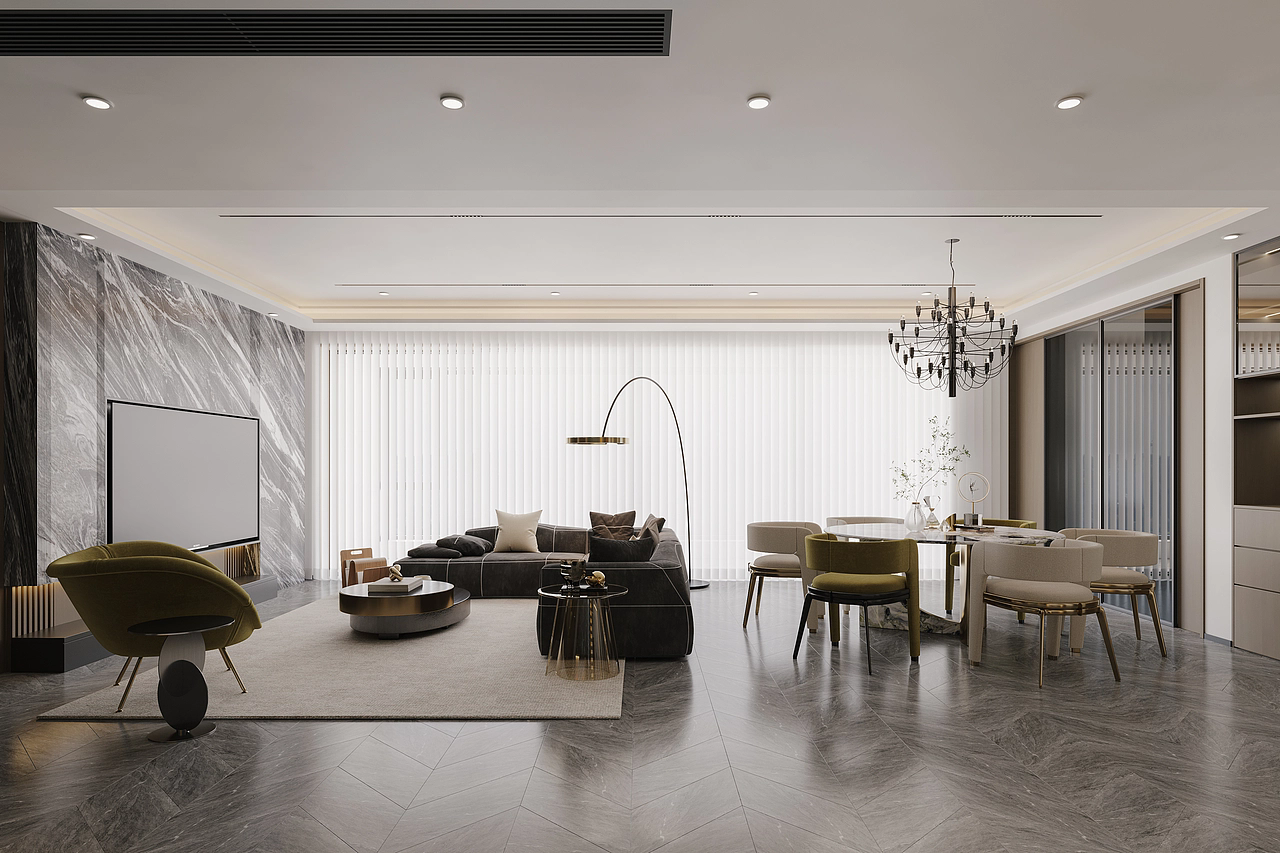
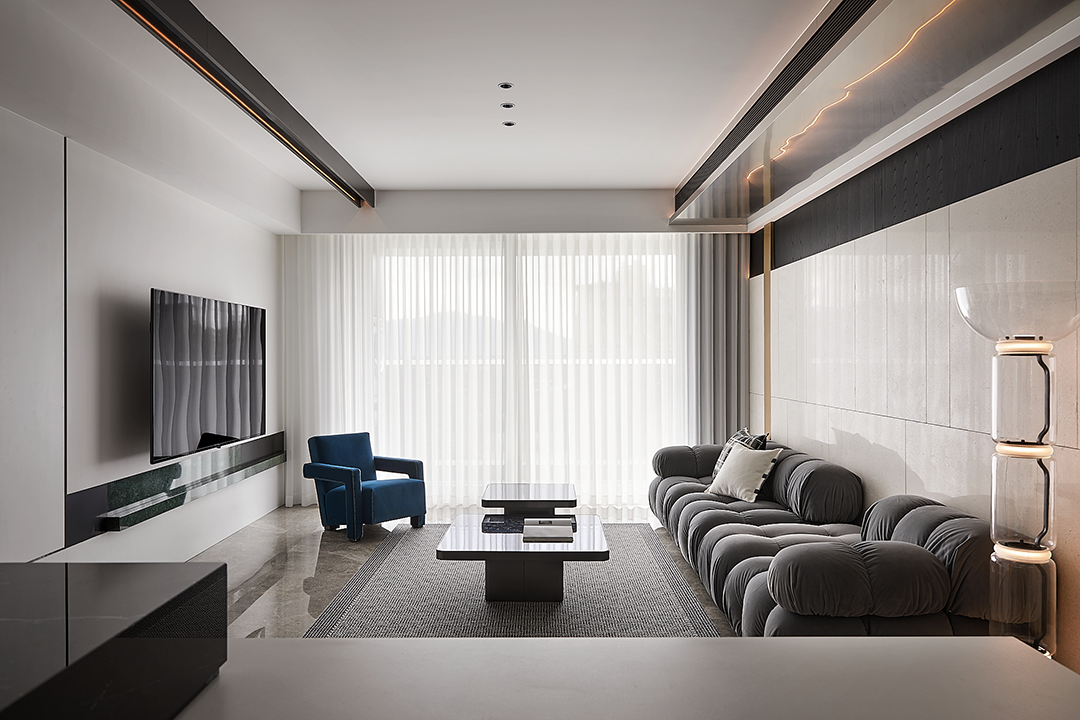
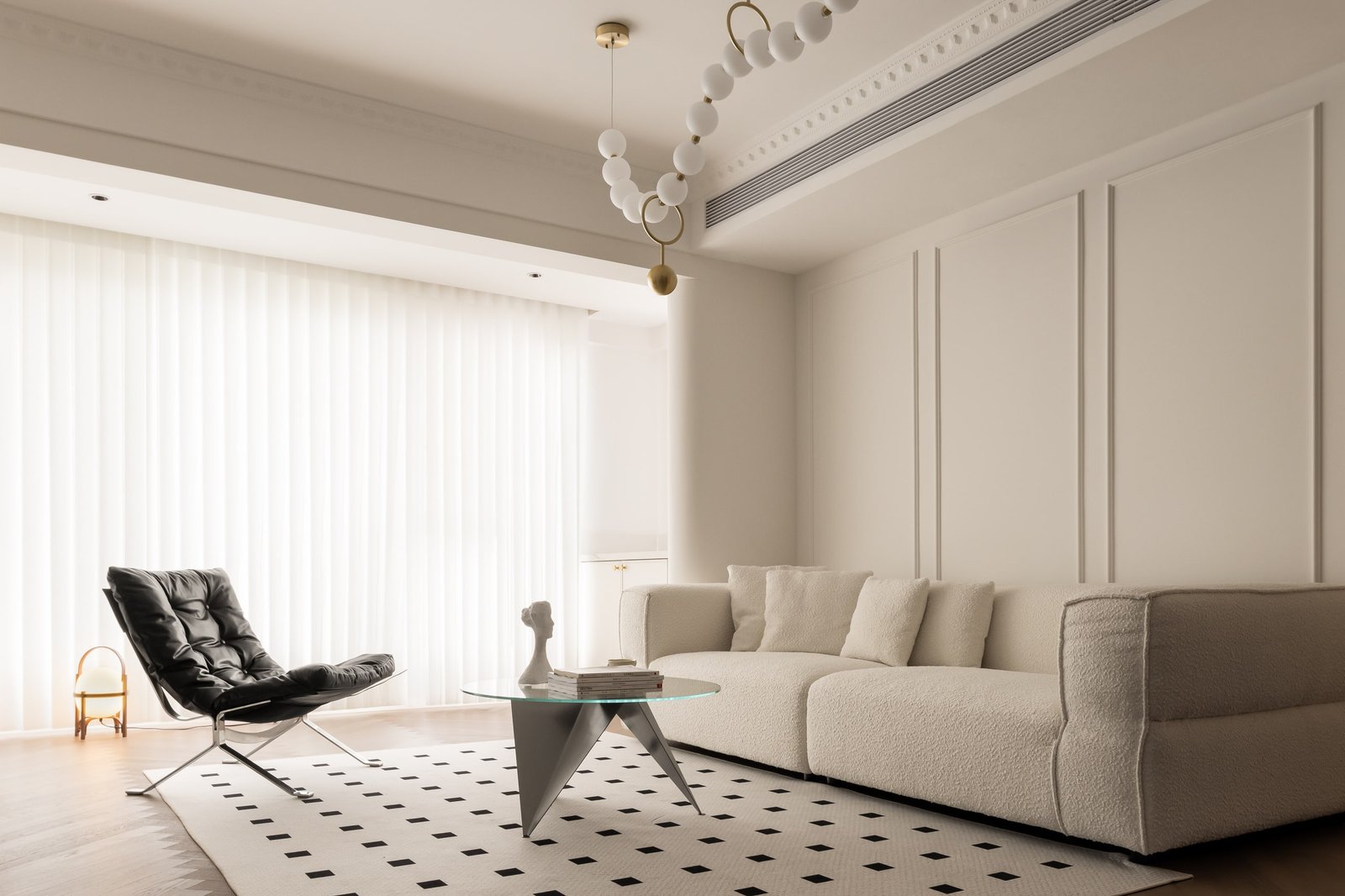
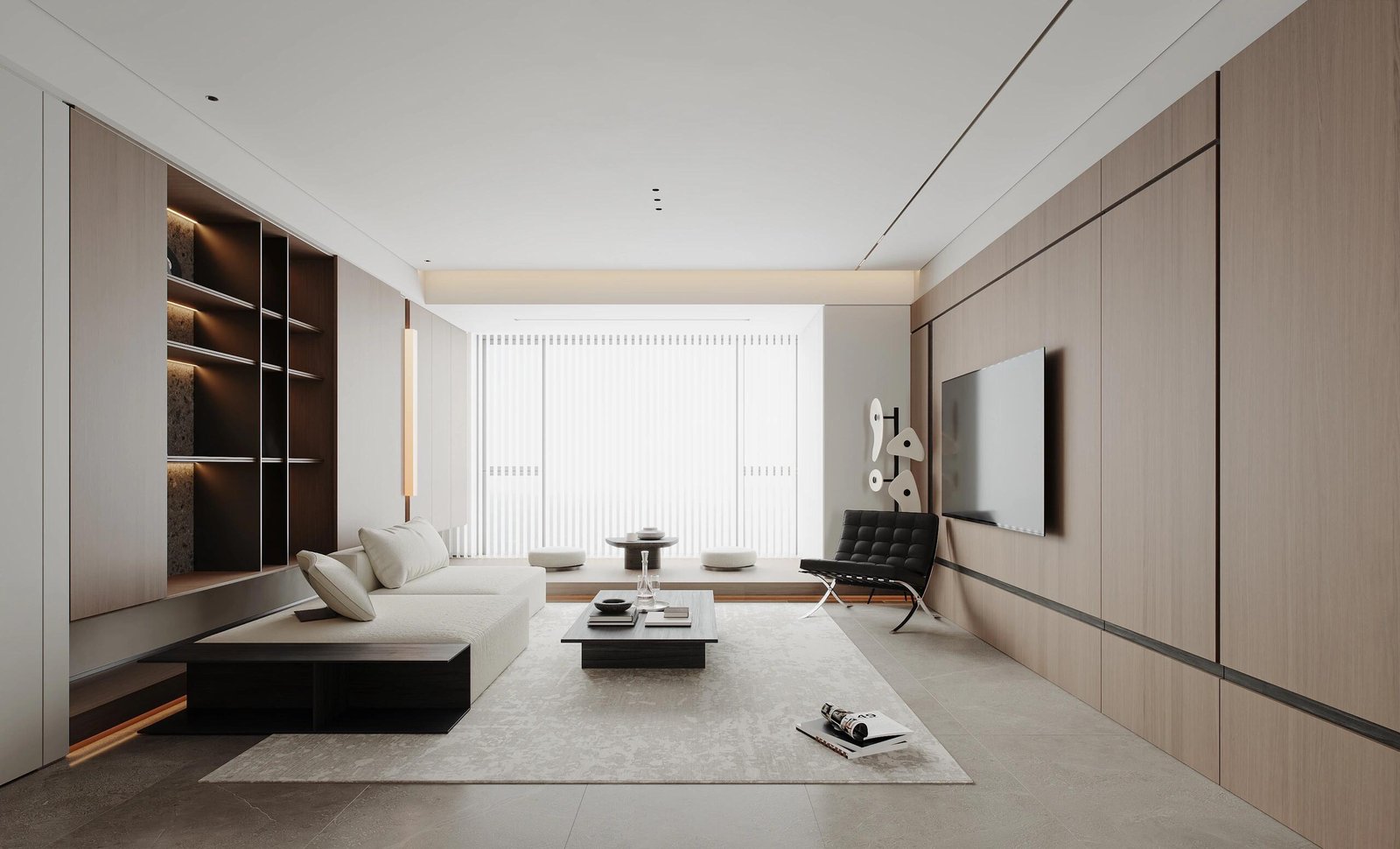
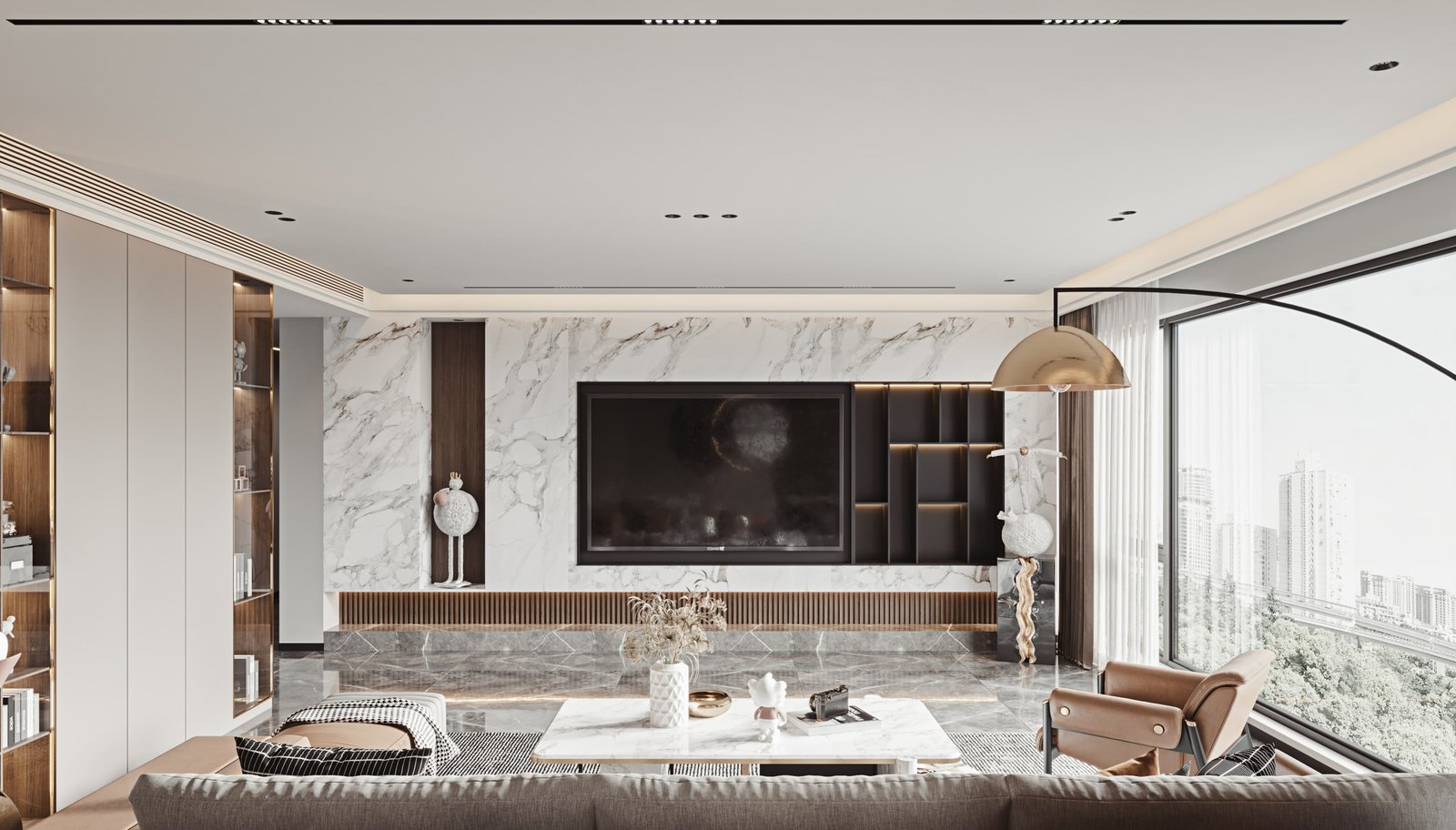
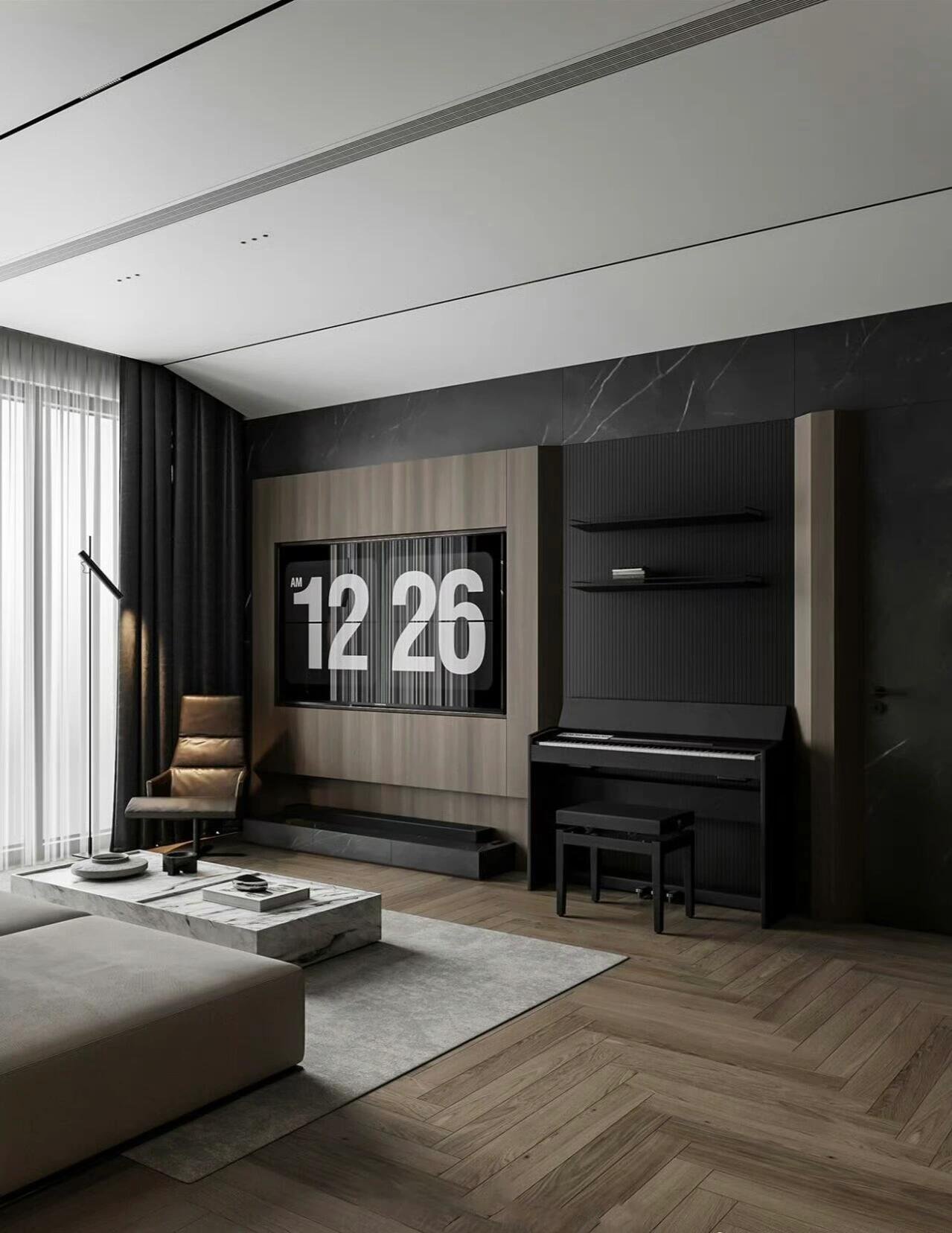
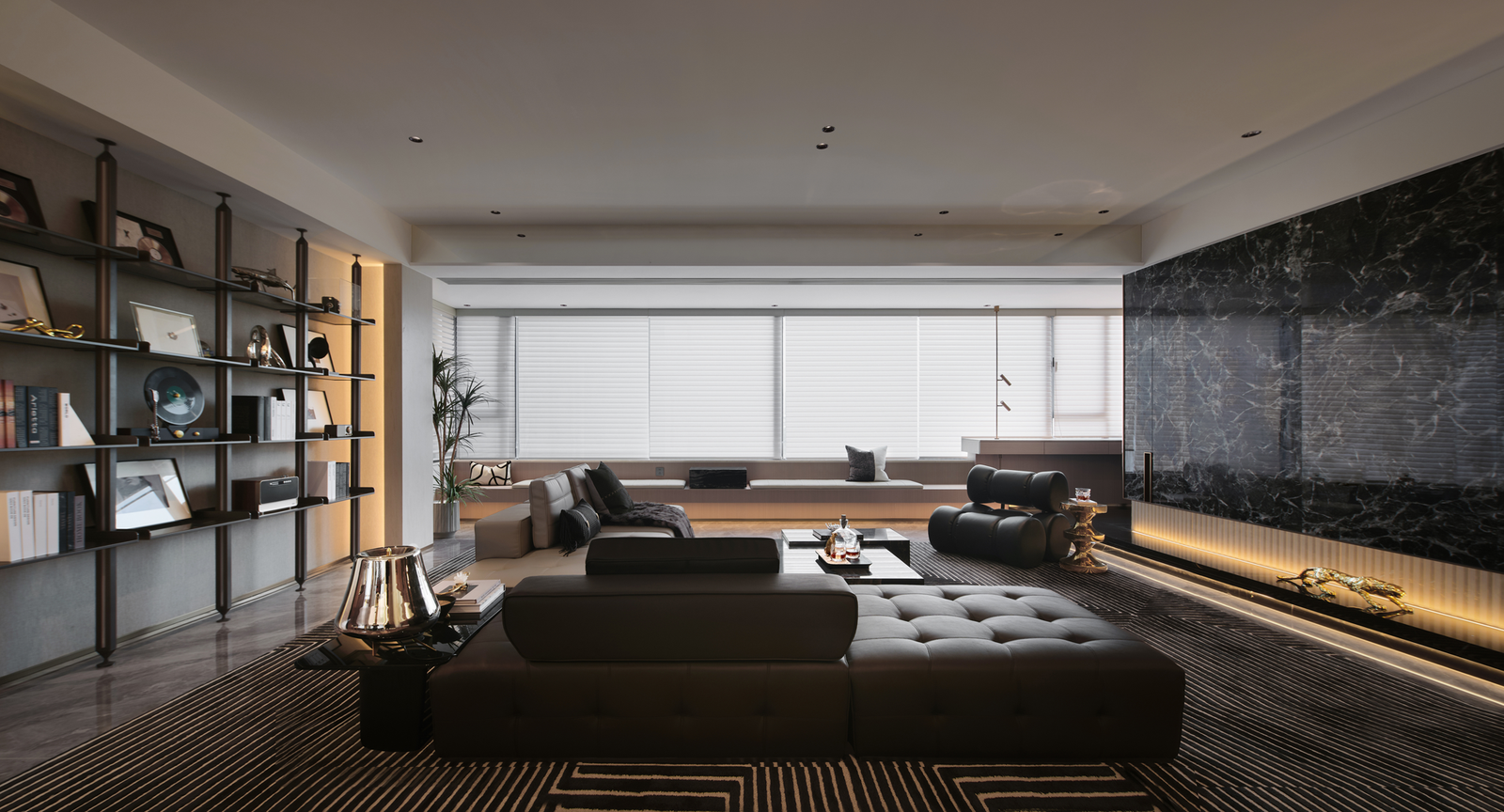
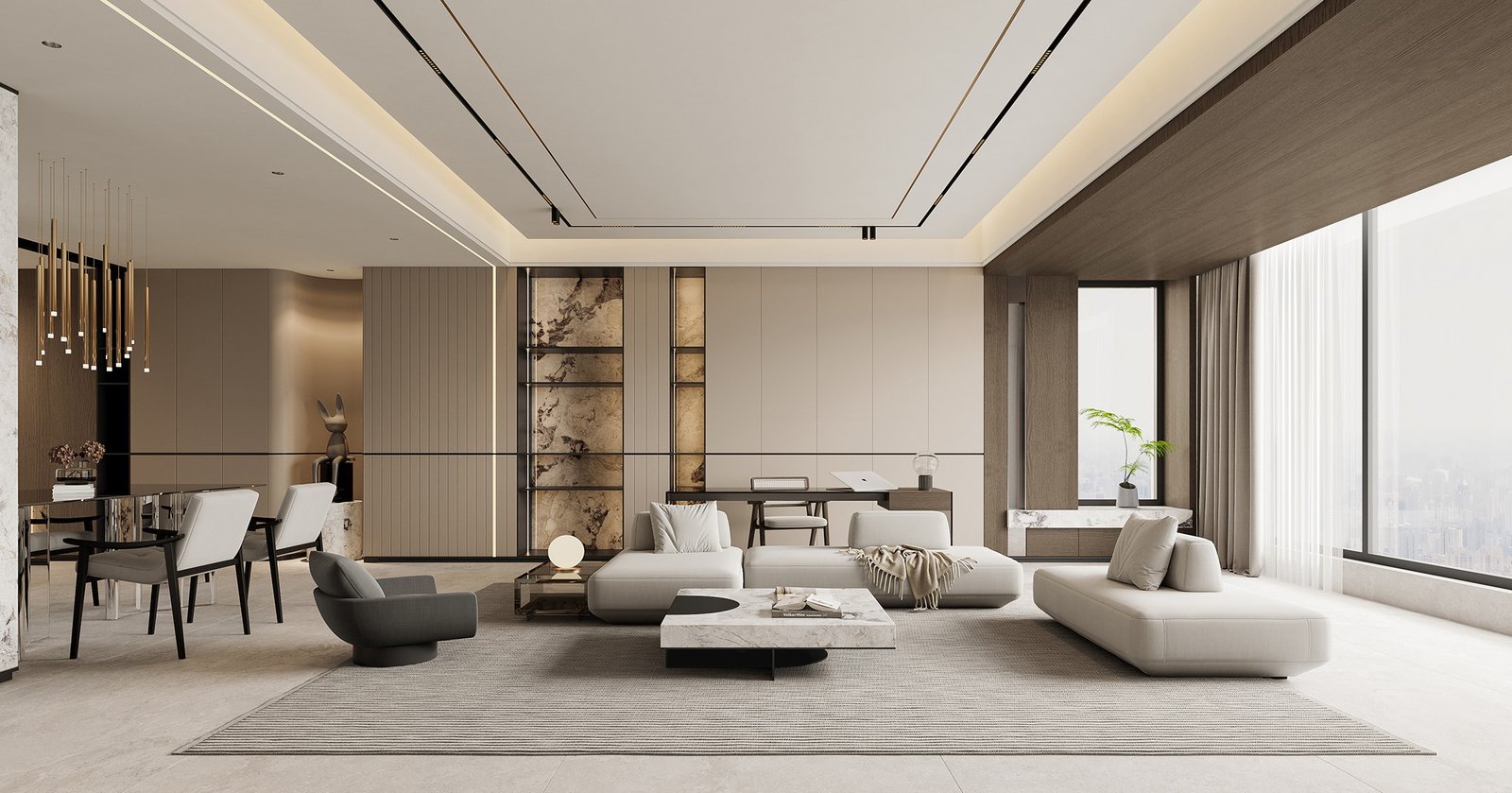
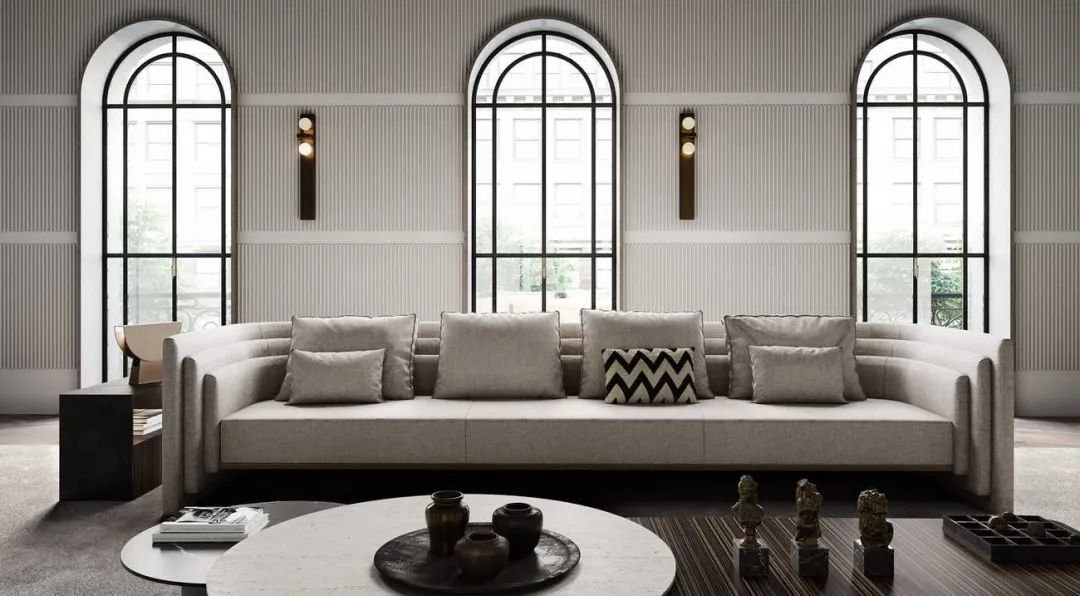
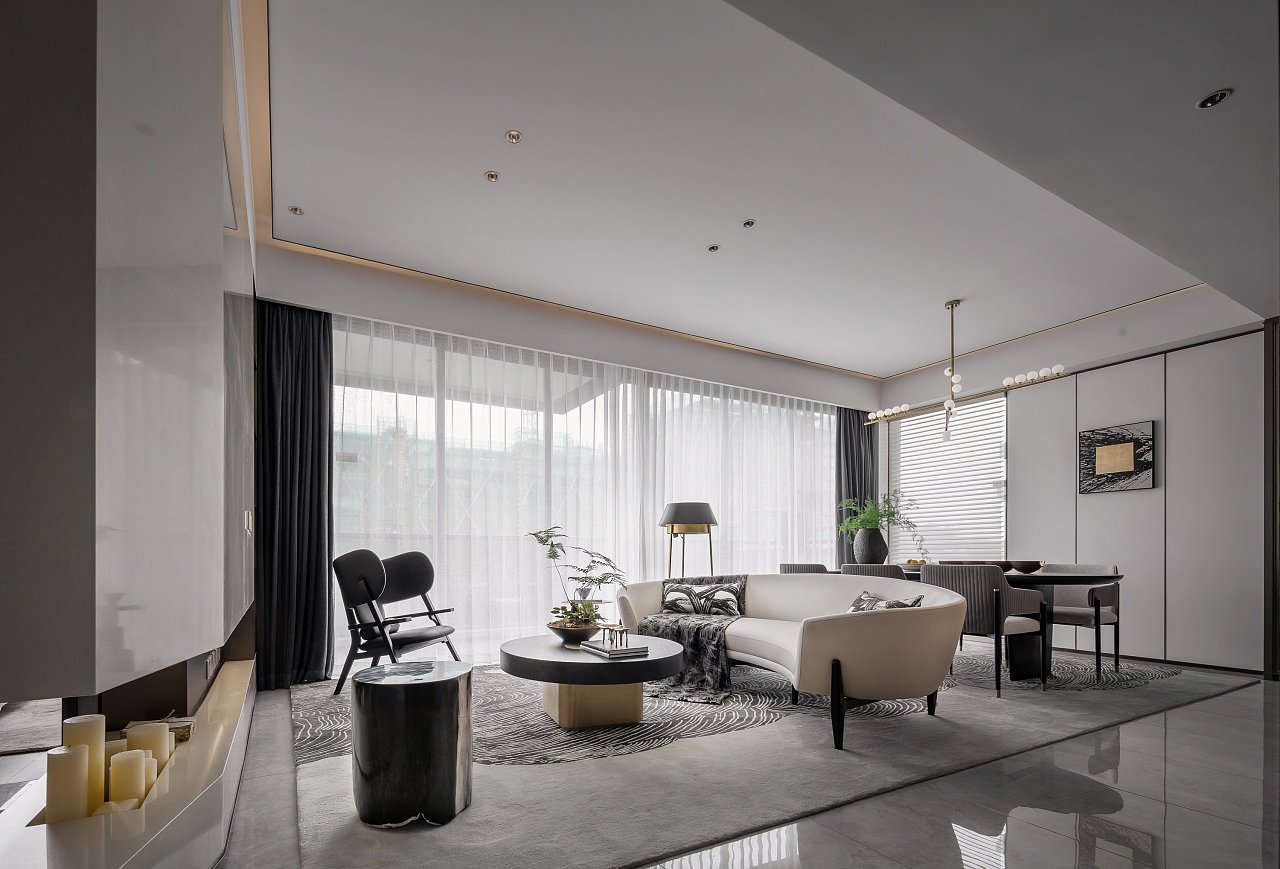
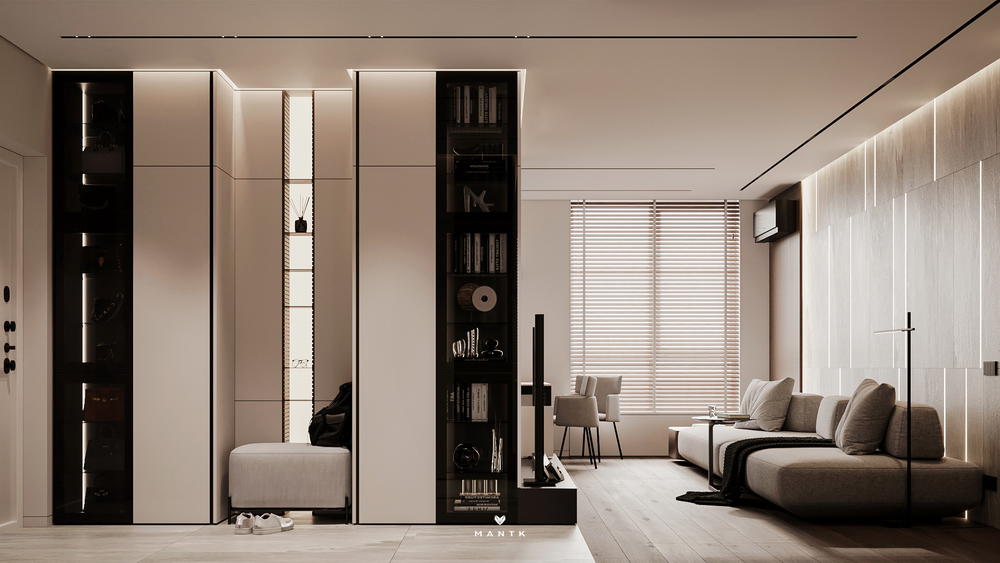
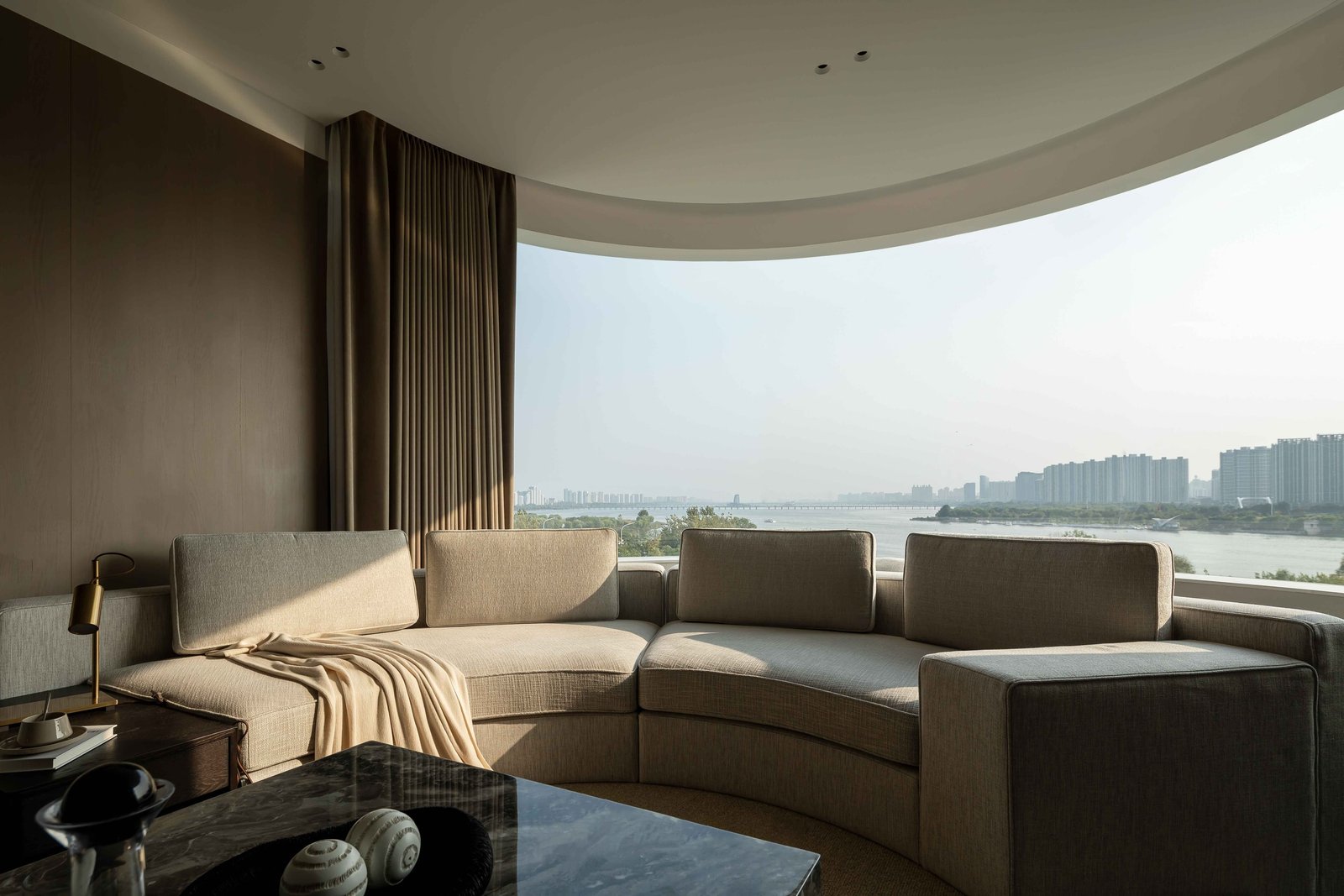
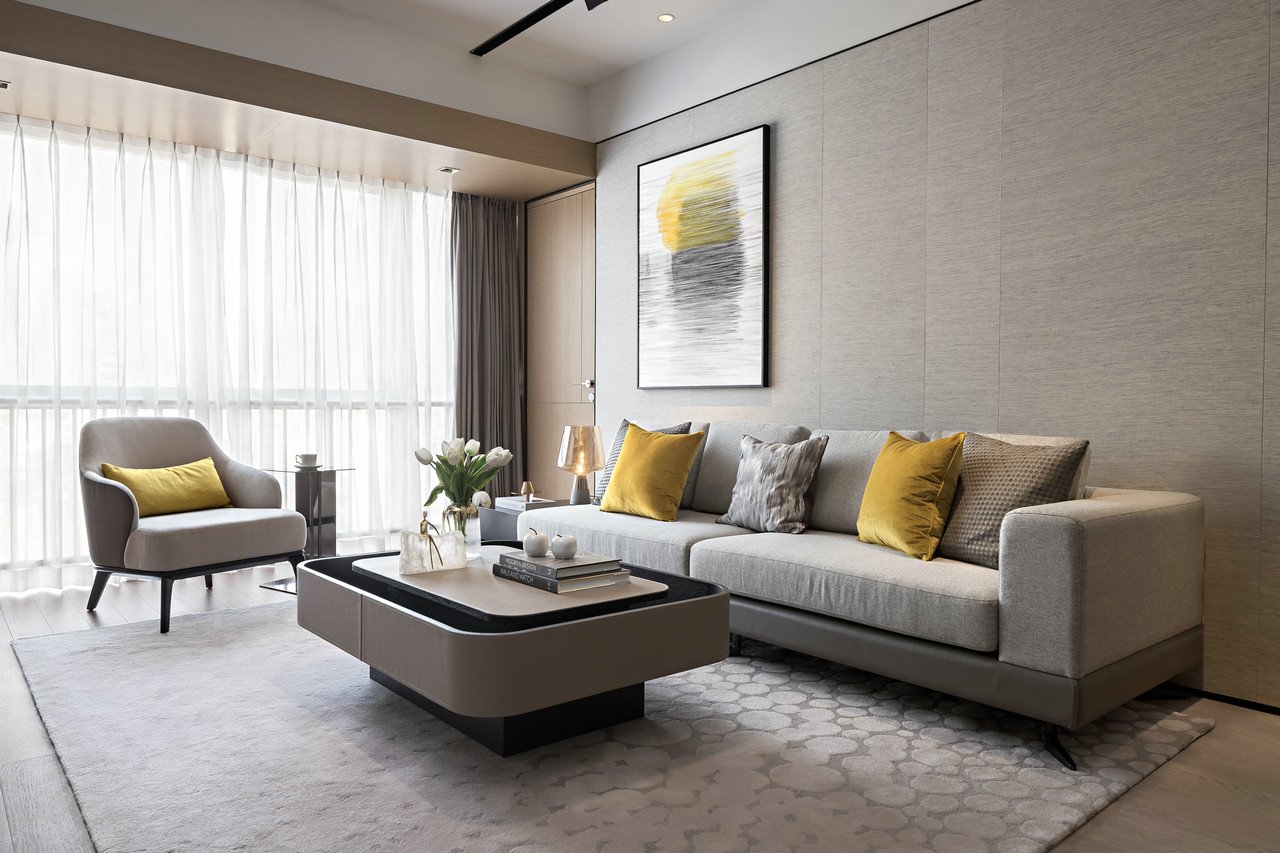
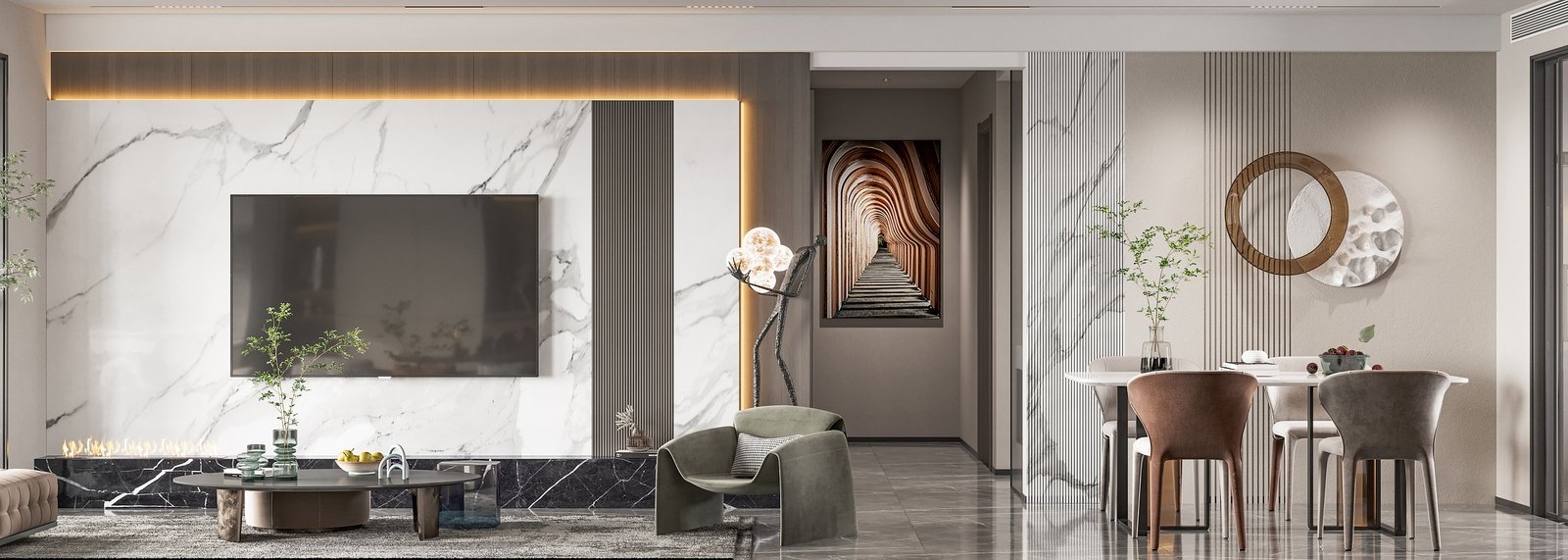
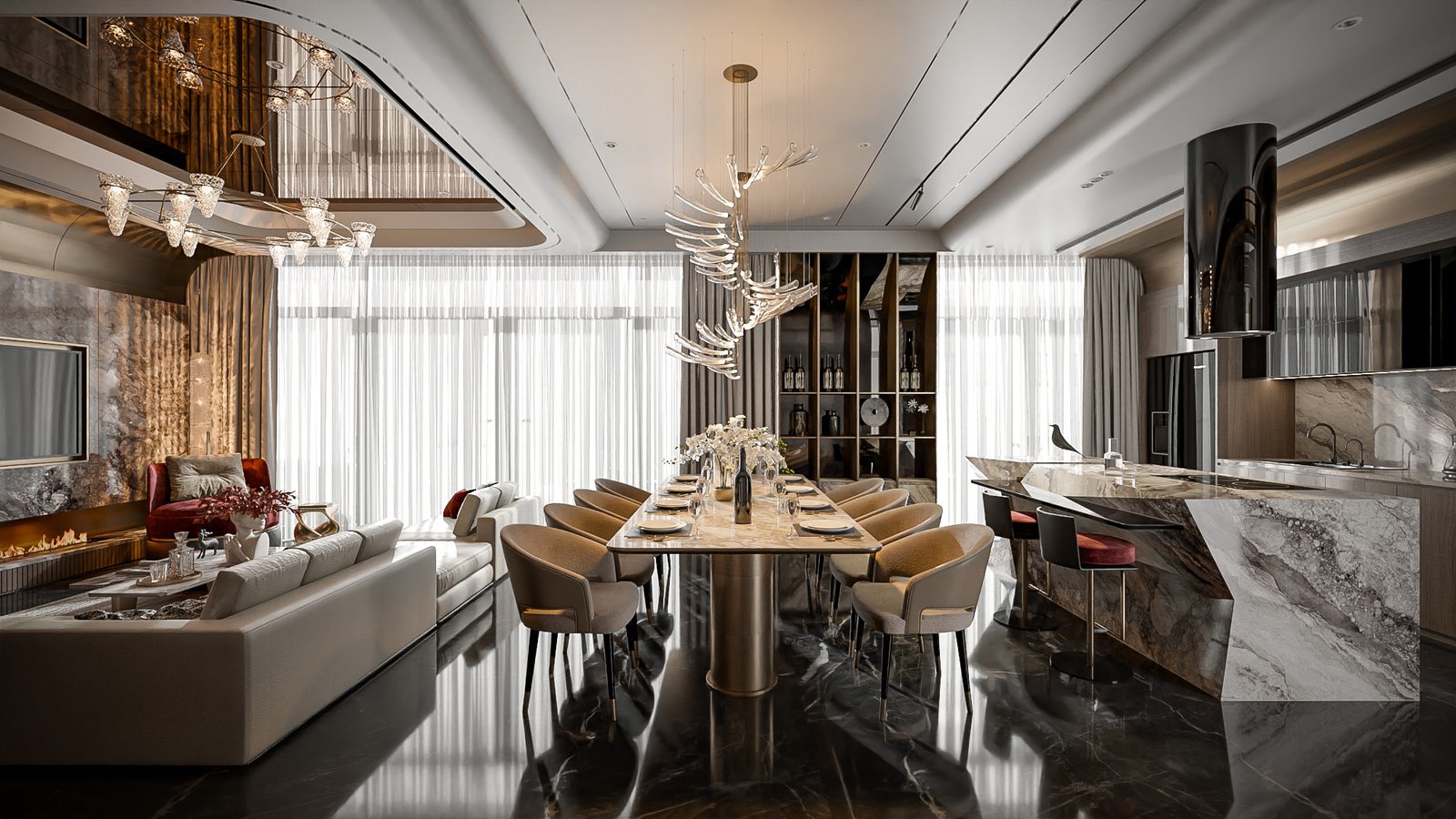
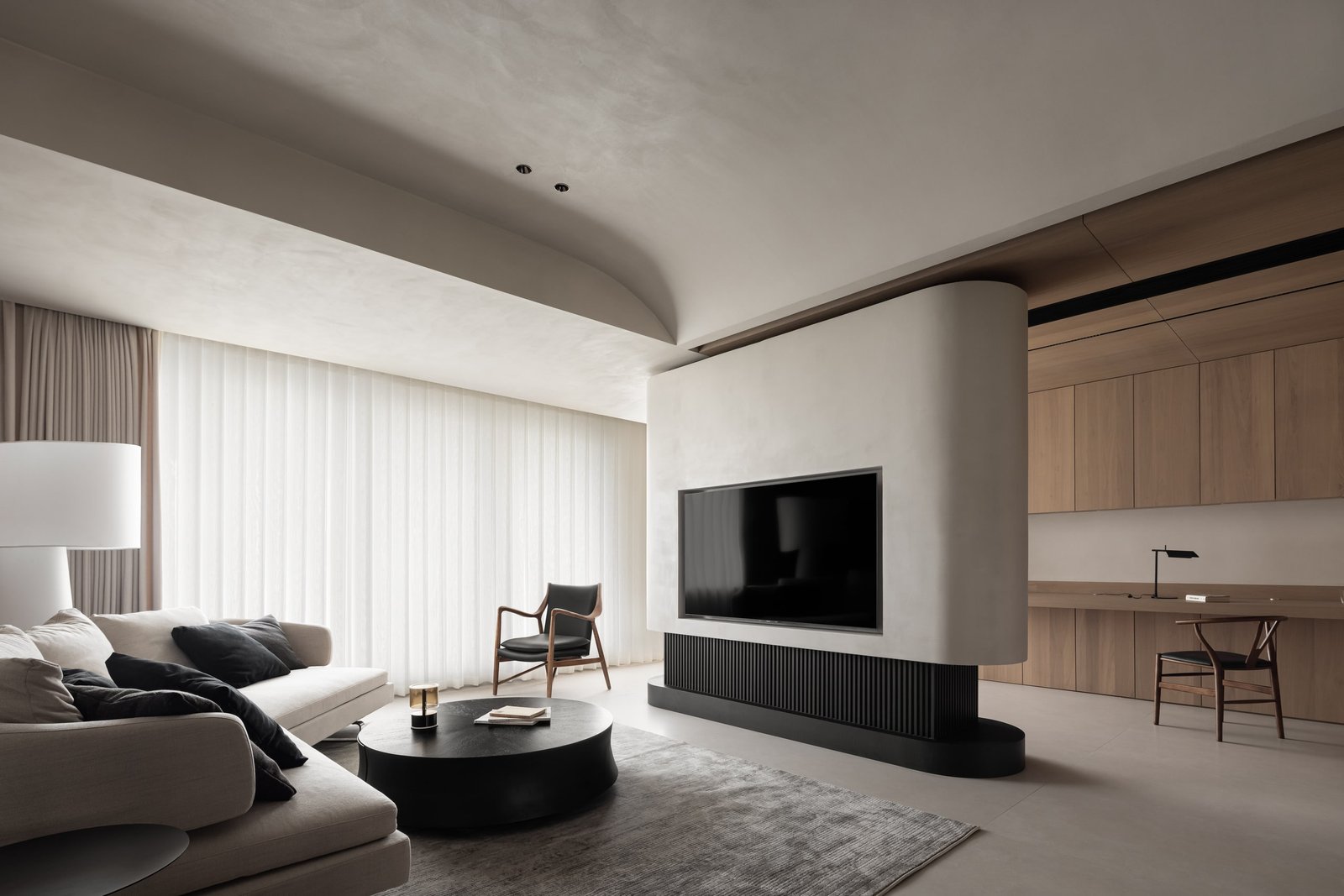
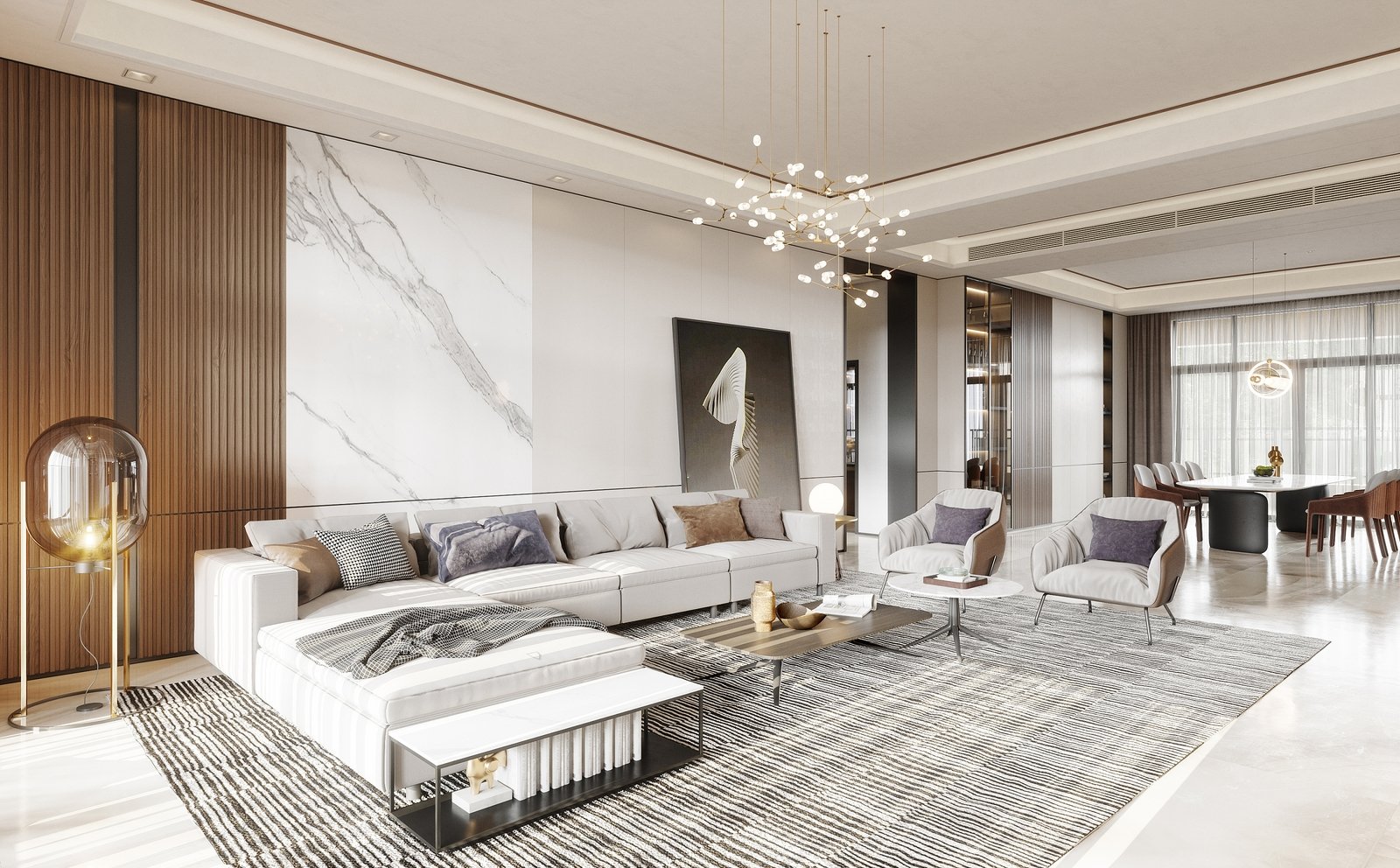
“Textural Minimalism” shapes the 2026 aesthetic landscape in Malaysia — a sophisticated evolution of the Japandi style that replaces sterile surfaces with tactile richness.
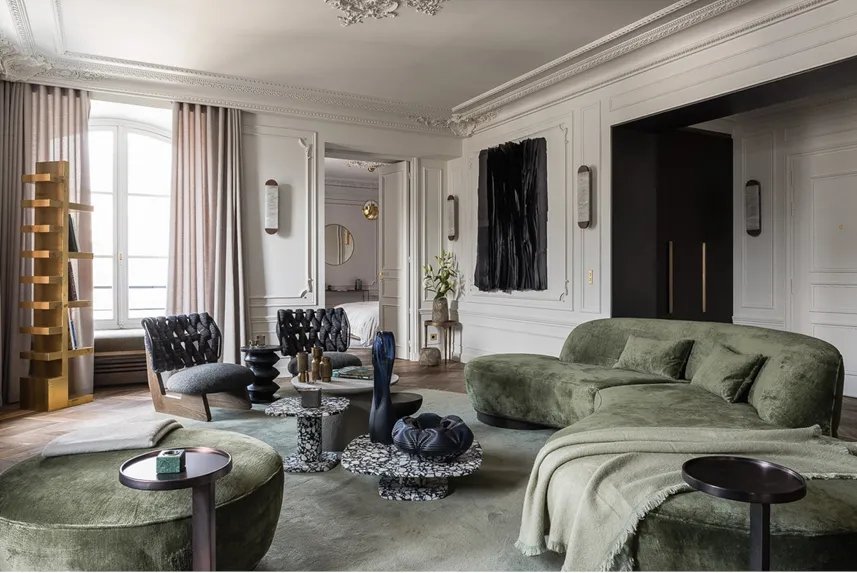
The restraint stays; the coldness goes. Lime plaster, honed stone, bouclé and open-grain timber give a minimal room something to hold the eye when there is deliberately little else in it.
Biophilic integration and the private green sanctuary
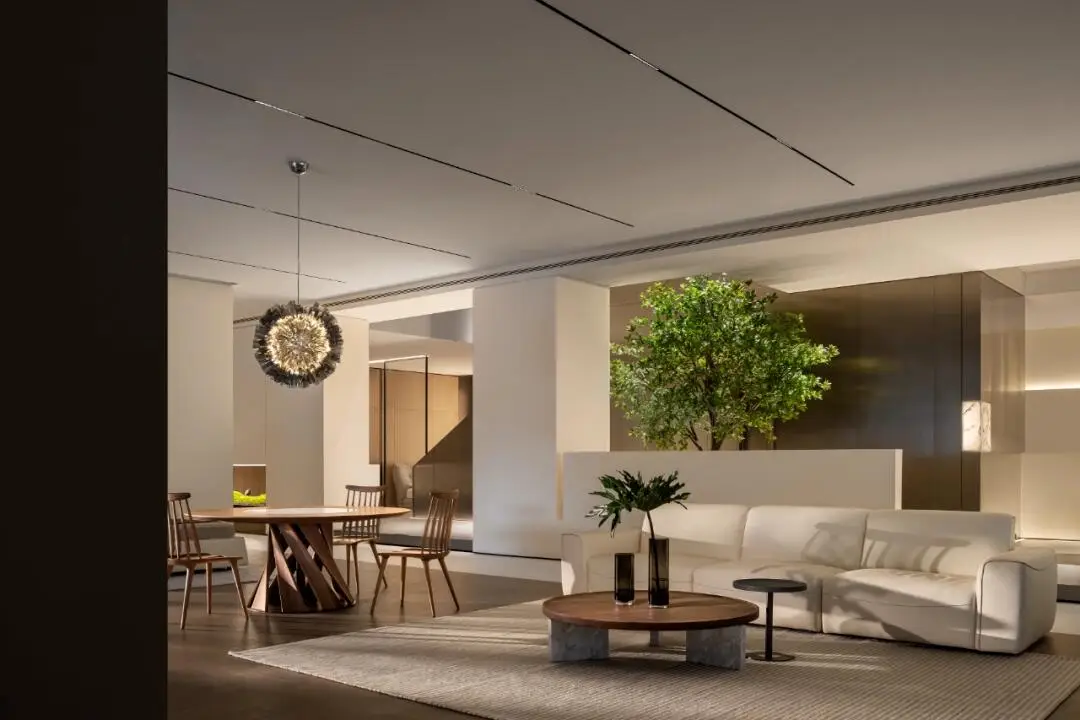
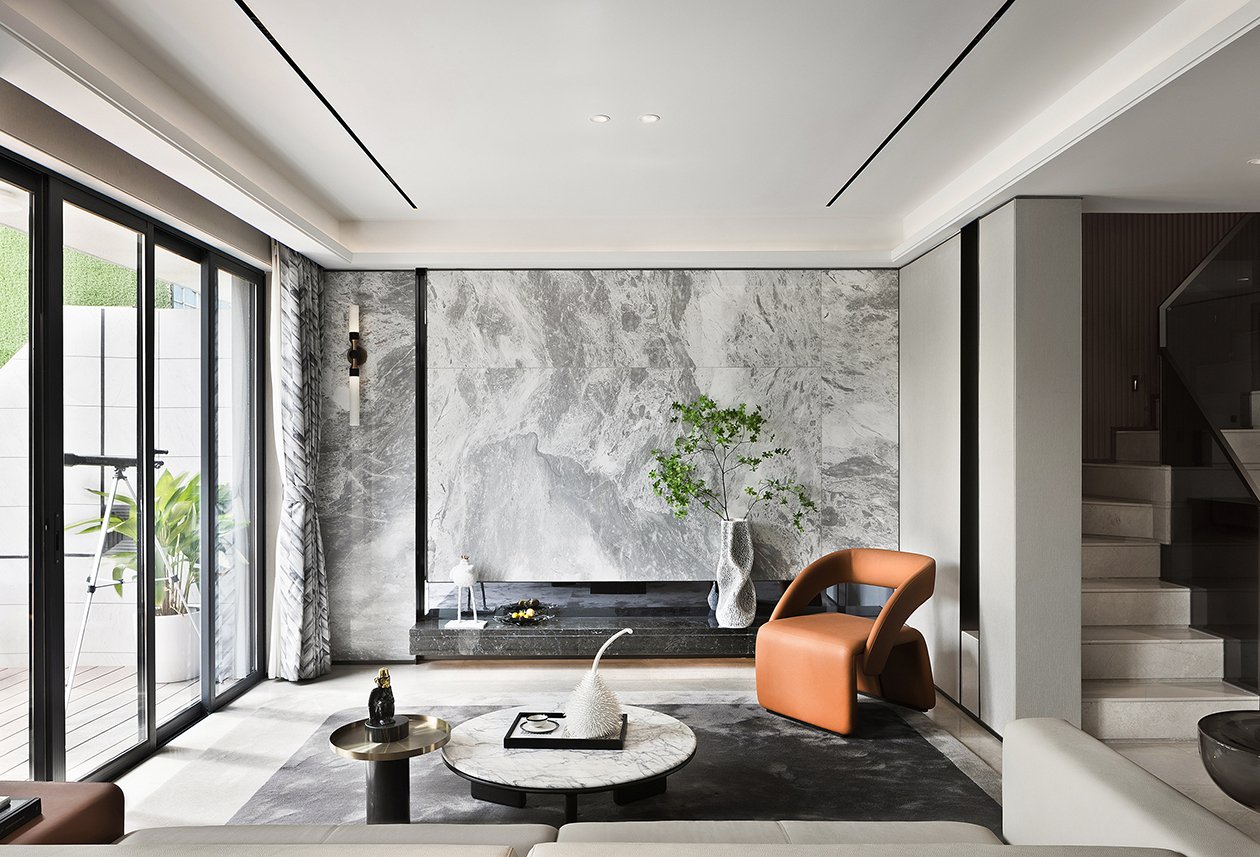
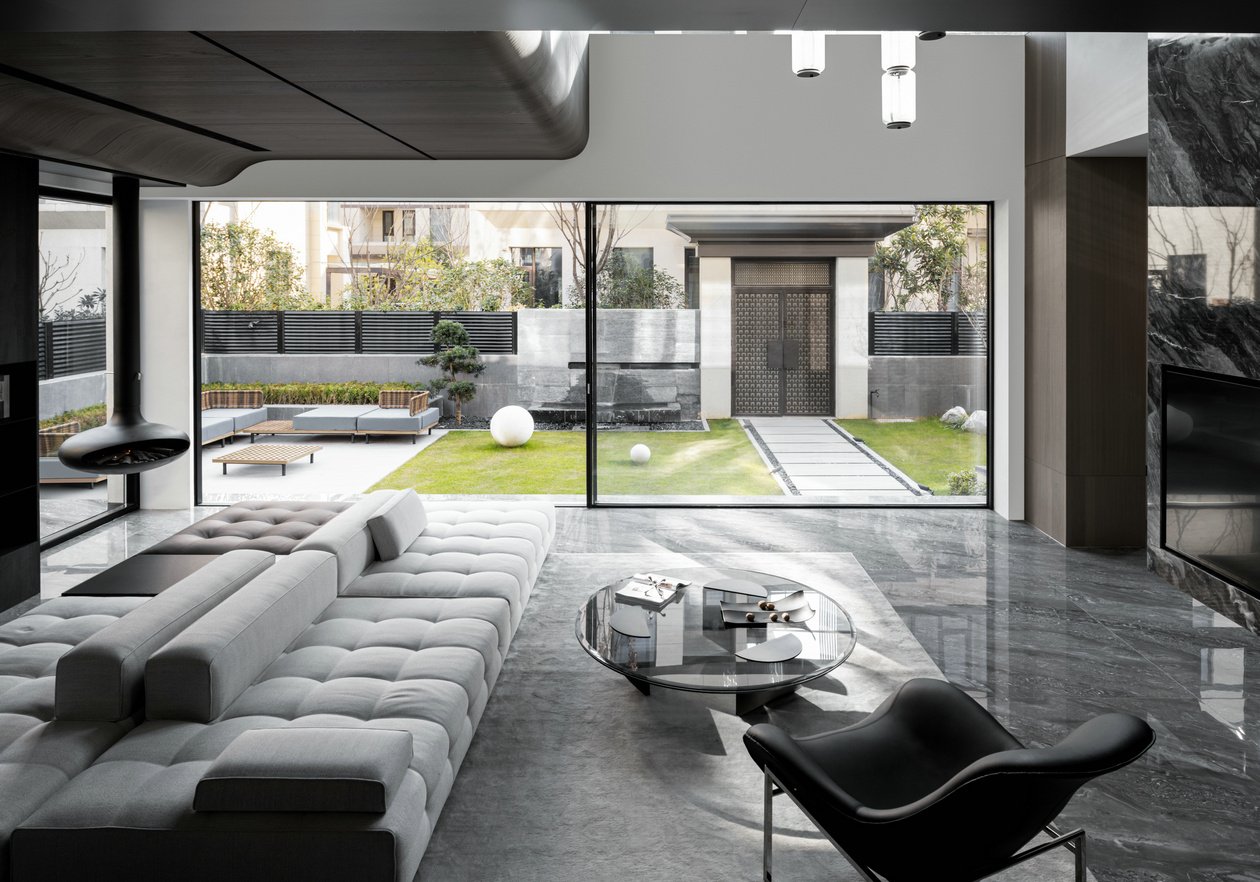
We are seeing a strategic shift toward Biophilic Integration, where the seamless flow between indoor living and private green sanctuaries defines luxury.
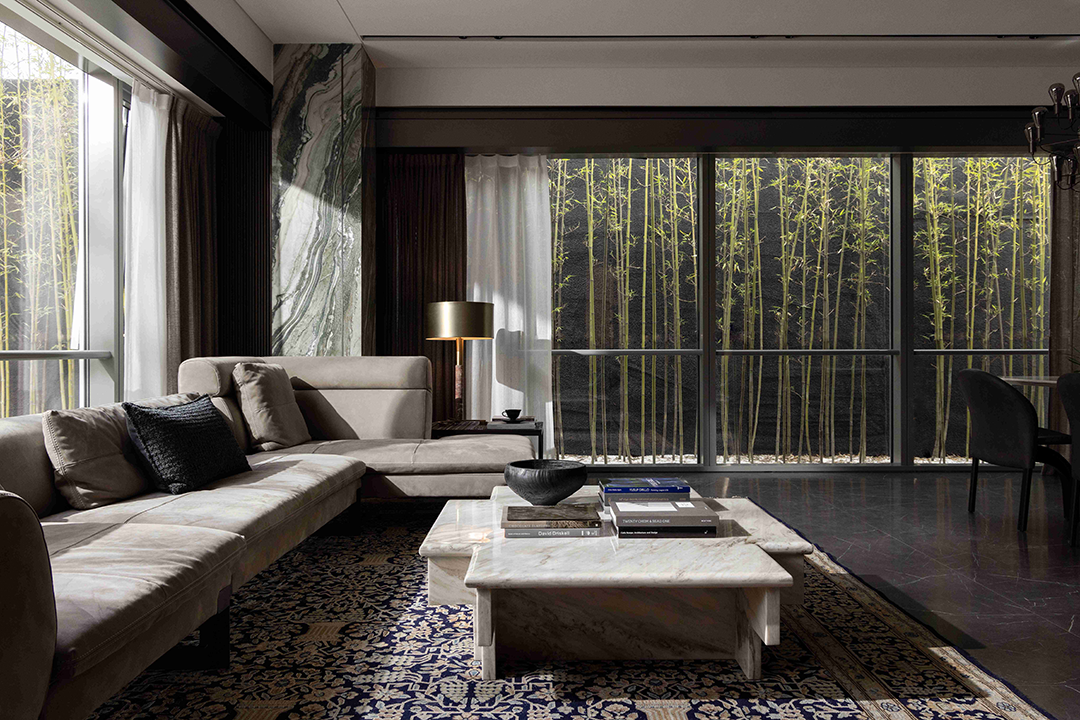
In a Klang Valley high-rise this rarely means a garden. It means planting treated as architecture — placed to break a long plane of stone, or to screen a threshold — rather than added at the end as decoration.
Sustainable craftsmanship and local material
Professional designs now prioritise Sustainable Craftsmanship, utilising locally sourced, reclaimed materials that celebrate Malaysian heritage through a modern lens.
Local sourcing is also practical: shorter lead times, easier matching on a second phase, and a material that behaves predictably in this climate.
Invisible technology
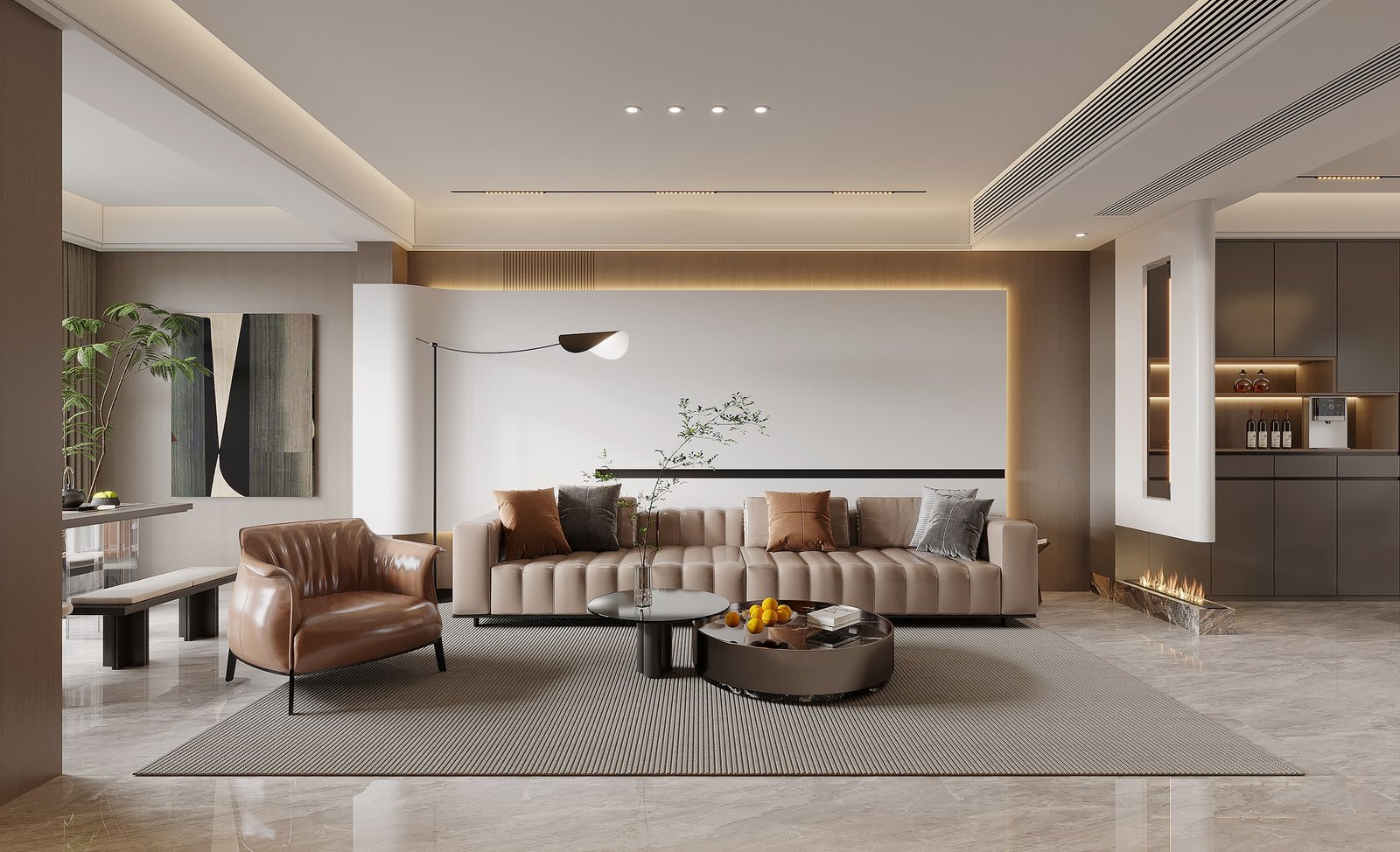
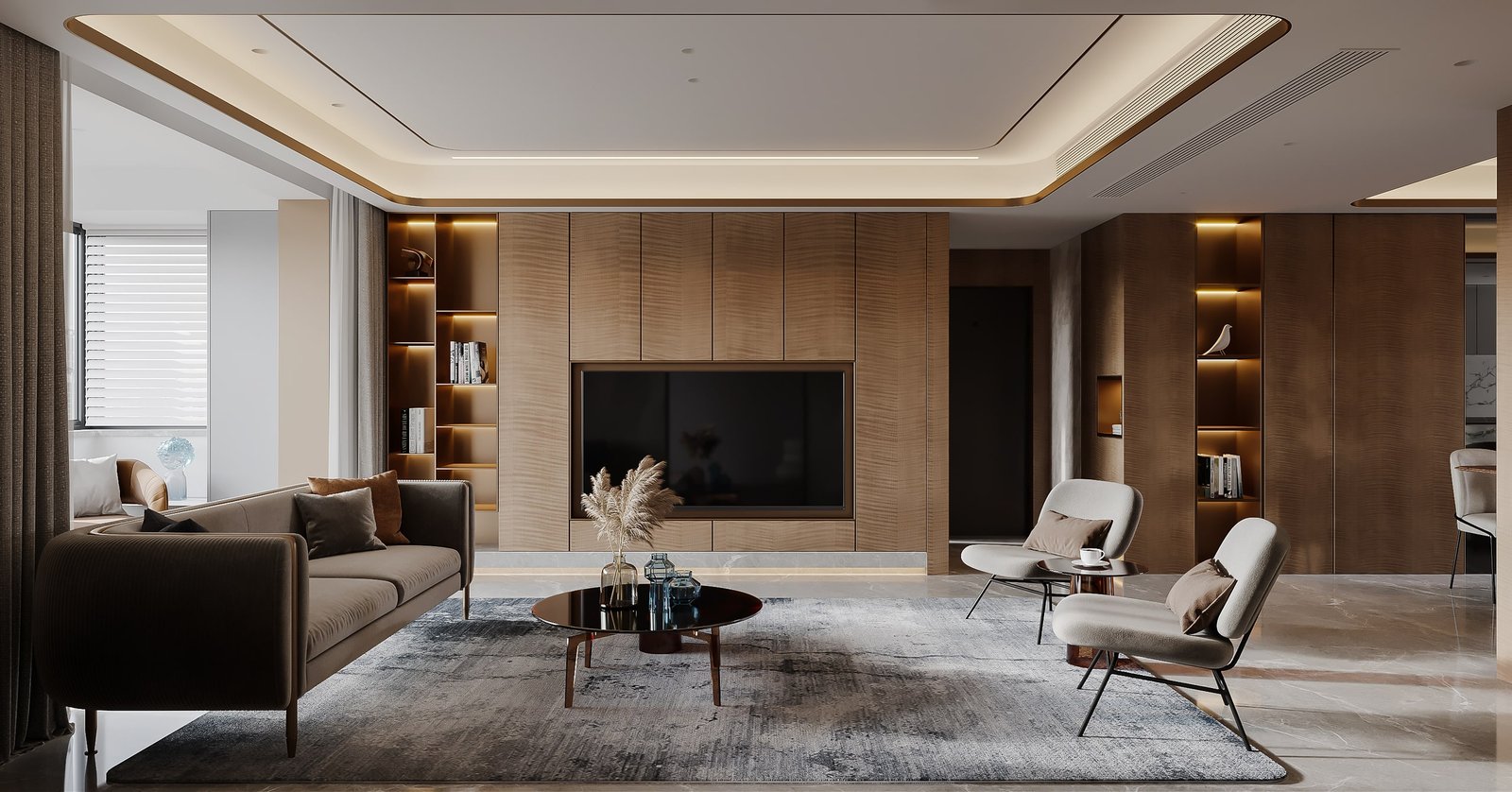
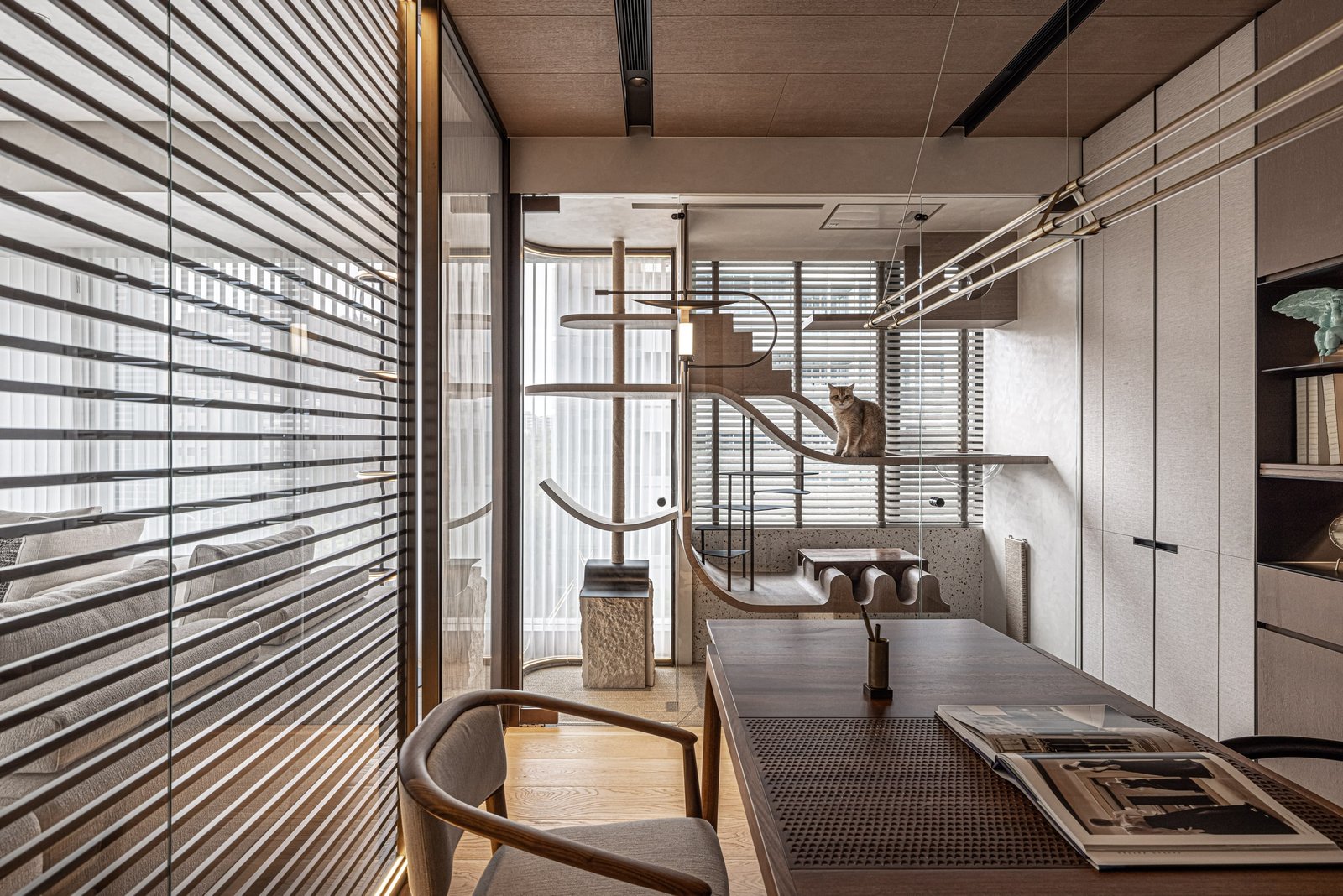
Furthermore, the rise of Invisible Technology — smart home systems integrated directly into custom cabinetry — ensures that modern convenience never compromises the architectural integrity of the residence.
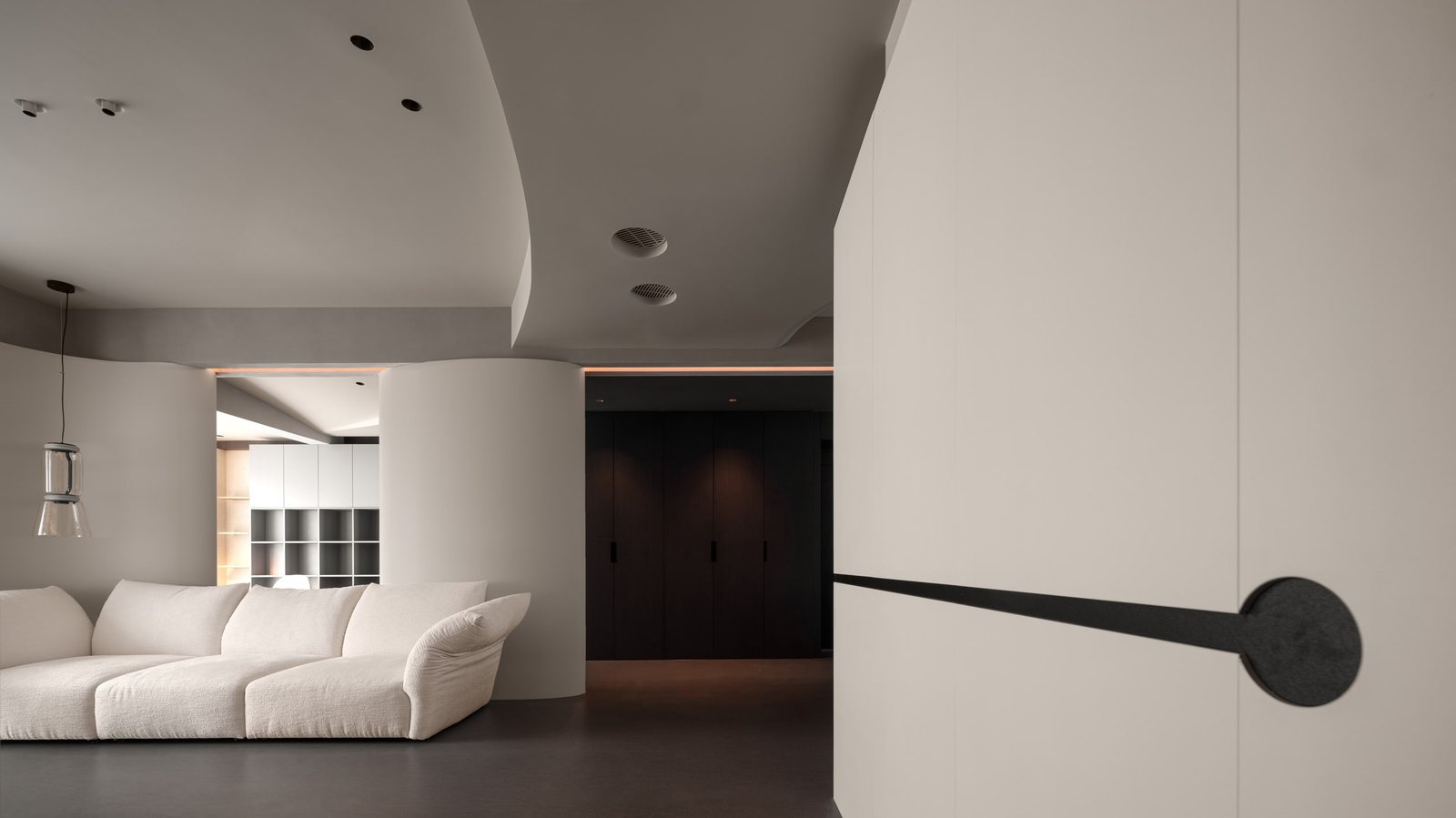
The test is simple: if you can still see the technology once it powers down, the design never truly absorbed it. That means drawing the joinery and the services together, not sequentially.
Modern tropical, reinvented for density
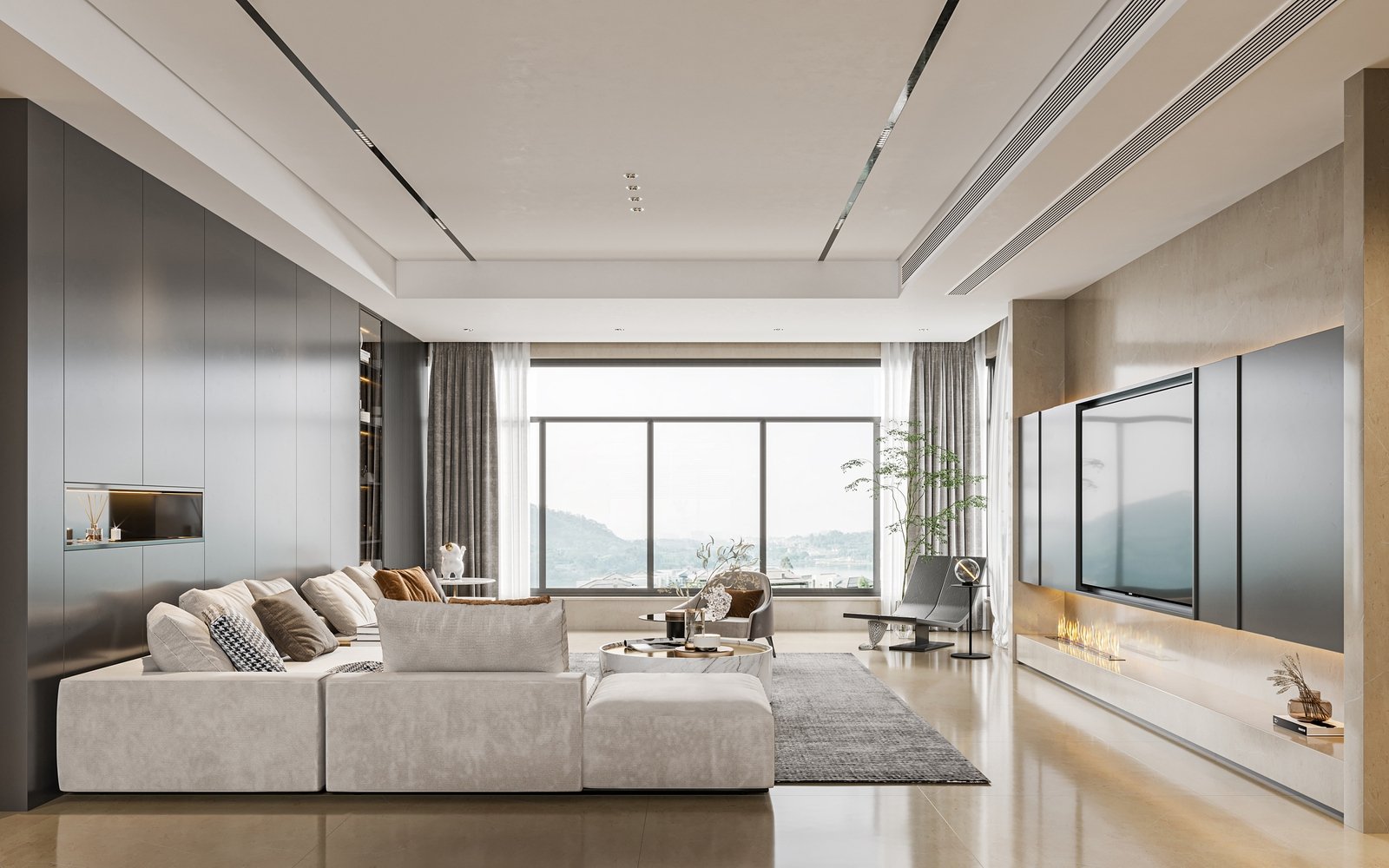
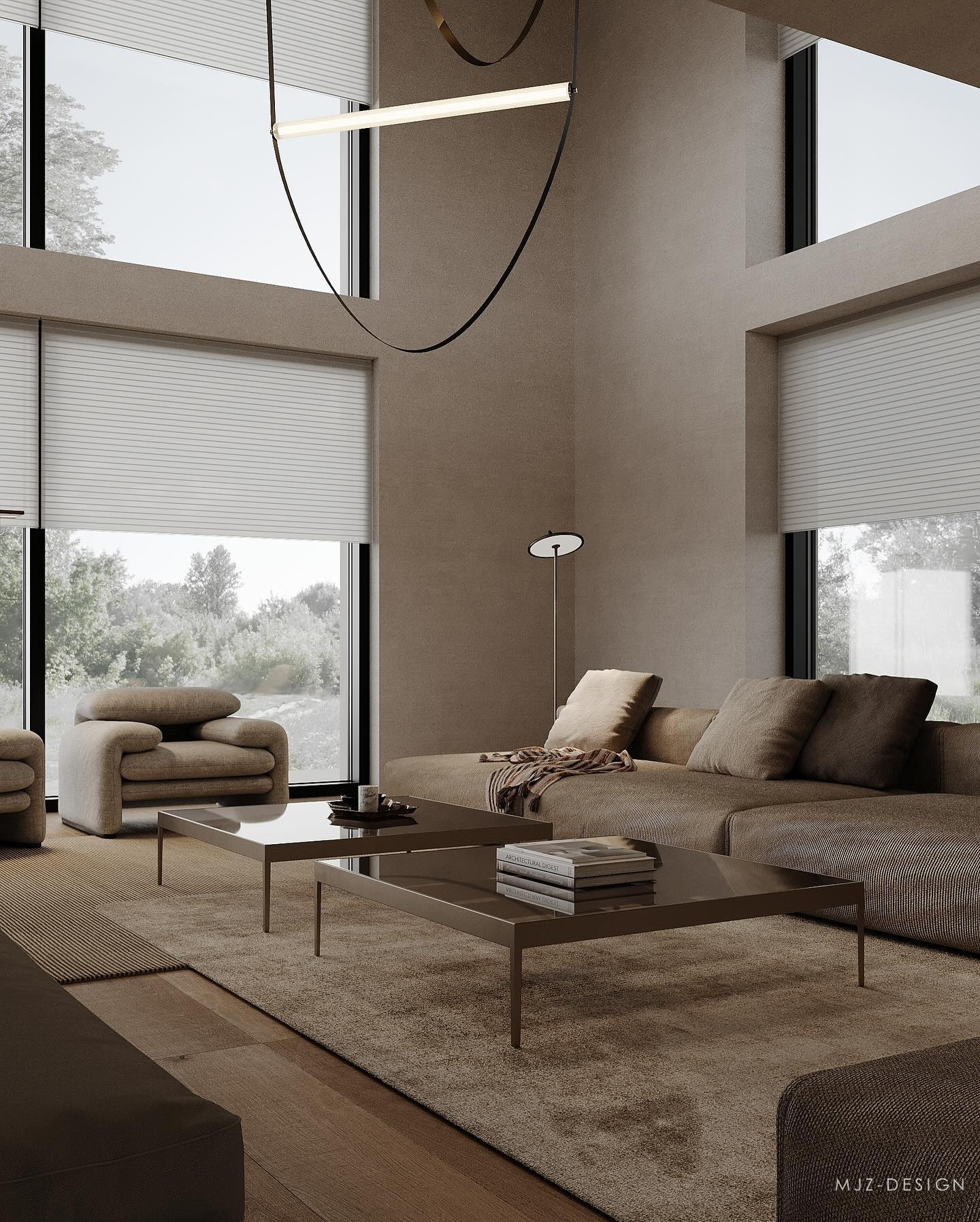
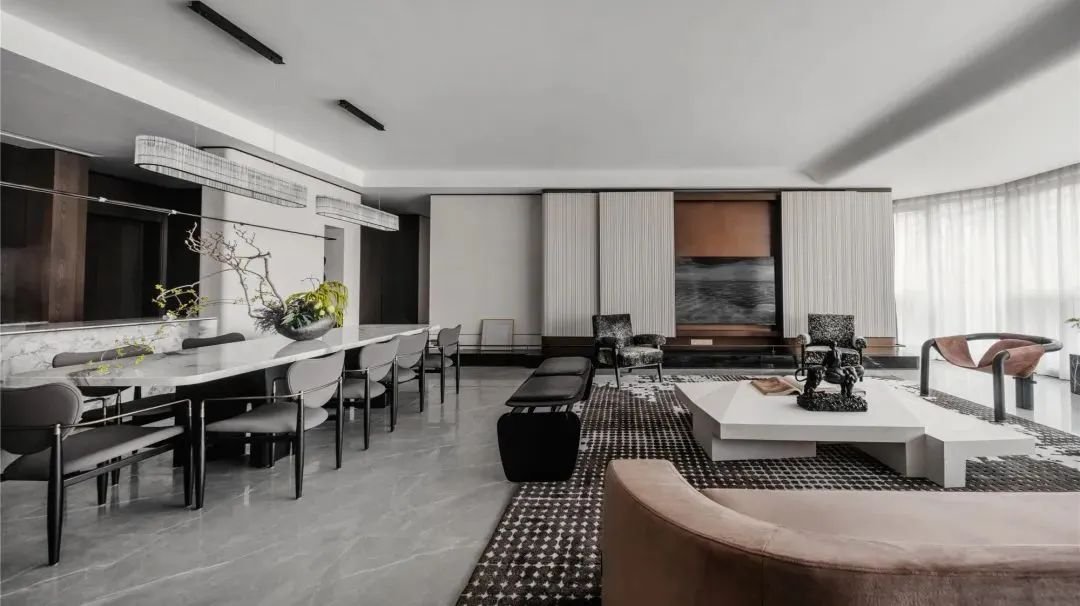
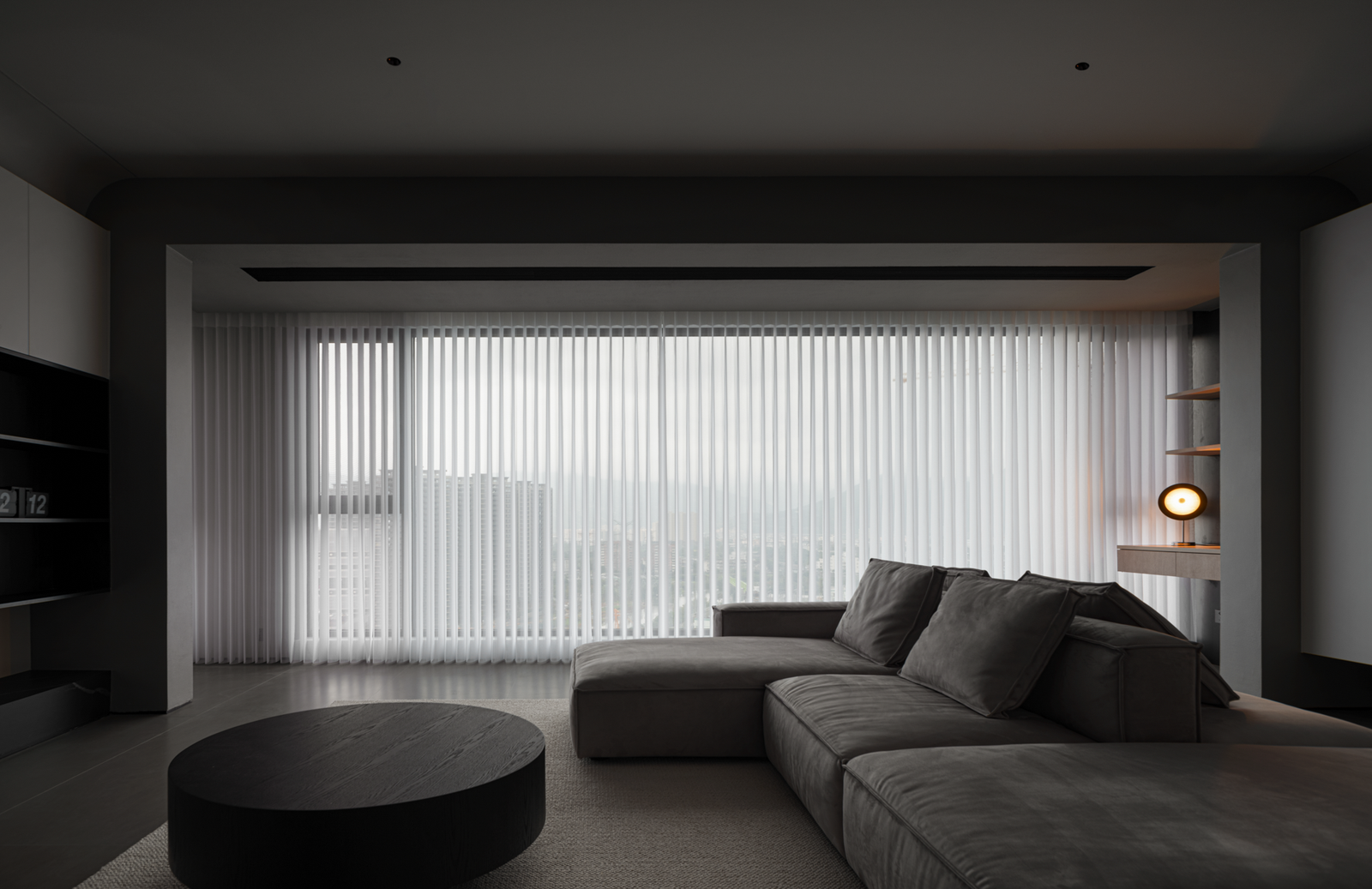
As urban density increases in the Klang Valley, designers are reinventing the “Modern Tropical” aesthetic with passive cooling techniques and automated shading systems that respond to Malaysia’s unique humidity and heat.
Cross-ventilation, deep reveals and automated shading do more for comfort here than any amount of styling — and they reduce the load on mechanical cooling for the life of the home.
Frequently asked questions
What is textural minimalism?
A minimal scheme that keeps the restraint but replaces flat, sterile finishes with tactile ones — plaster, honed stone, bouclé, open-grain timber.
Does biophilic design work in a high-rise condominium?
Yes, when the architecture plans for planting from the outset rather than adding it afterwards — using it to break long surfaces, screen thresholds and soften hard material.
How do these trends suit the Malaysian climate?
Passive cooling, deep reveals and automated shading respond directly to local humidity and heat, and reduce reliance on mechanical cooling over time.
For a deeper look at industry standards, the Malaysian Institute of Interior Designers (MIID) publishes ongoing updates on local design excellence and professional practice.